 by
by Congratulations! You finally get a job offer after a stressful time of applying and going through interviews. It's time to decide if this is the position you've always wanted.
Getting an acceptance letter can be both exciting and scary. It's important to be polite and professional during this process.
This article will give you useful advice on how to confidently accept a job offer. We'll give you tips on how to make sure the transition to your new role goes smoothly, from reviewing the proposal to clearly communicating your expectations.
What Is a Job Offer?
In general, it is a formal paper that explains the terms and conditions. It is what the employer and the candidate agree on when they hire someone.
Attention:
Verbal expressions of interest from HR during an interview are positive indicators of their intentions. However, it's crucial to await a formal written confirmation. Until then, the job offer is not official.
A job offer typically consists of several key components:
- Title and Description. This section provides a brief overview of the role's responsibilities, reporting structure, and any other pertinent details.
- Salary and Compensation. The job offer must state details about the salary or hourly wage. It can also mention additional compensation such as bonuses, commissions, or stock options.
- Start Date and Work Schedule. It specifies the expected start date for the new worker, along with details about the typical schedule and any flexibility or remote options.
- Conditions. This section may incorporate any conditions that must be met before employment can begin, such as passing a background check, drug screening, or providing proof of eligibility to work in the country.
- Status. The job offer may specify whether the position is full-time, part-time, temporary, or an internship, as well as whether it is an exempt or non-exempt position under labor laws.
- Benefits and Perks. In addition to salary, it outlines any benefits the company provides. Examples are health insurance, retirement plans, paid time off, flexible spending accounts, or tuition reimbursement.
- Policies and Procedures. It may reference the company's laws and procedures, such as code of conduct, confidentiality agreements, intellectual property policies, and other terms.
- Deadline. HRs typically include a deadline by which the candidate must accept or decline the content. This ensures that the person can make alternate arrangements.
- Contact Information. The job offer usually contains contact information for the hiring manager or HR representative. This individual can answer any questions the applicant may have and facilitate the process.
- Relocation Assistance. If the role requires moving to a new location, the document might specify any support or reimbursement provided.
Job offers often contain formal language and legal jargon to ensure clarity and protect both parties' interests. It's essential for candidates to carefully review everything and seek clarification on any terms they don't understand beforehand.
How to Accept a Job Offer?
The process is filled with excitement and nervousness. It's a big decision that can have a significant impact on your career and life. That's why it's crucial to understand the proper way to manage this situation and come to the optimal decision for yourself.
Upon receiving a job offer letter, follow these steps:
- Evaluate the job proposal.
- Seek clarification.
- Negotiate if necessary.
- Follow up in writing.
- Prepare for onboarding.
- Ensure all terms match what was discussed verbally.
Now, let's take a closer look at each step of the process for a comprehensive understanding of accepting a job offer.
Step 1. Receive
Before rushing into a decision, take a moment to pause and thoroughly assess the content. If you have received a verbal job proposal, request a written one for clarity and documentation purposes.
A written job offer is crucial as it provides formal confirmation of terms, such as salary and start date, helping prevent misunderstandings.
When you receive a job offer, the first instinct may be to immediately agree or decline it. Nonetheless, it is necessary to inquire with the employer about their desired response timeframe.
When asking for a timeline, keep in mind that the company may have other candidates they are considering. It is important to respect their time and give them a reasonable deadline for your response.
Step 2. Seek Clarification
If any aspect is unclear or requires further explanation, don't hesitate to reach out to the hiring manager for clarification.
When reading a job offer, pay attention to the following key aspects:
1. Responsibilities
Review the description of your roles and duties to ensure they align with your skills, experience, and career goals. Look for clarity on the tasks you'll be expected to perform and any specific projects or objectives.
2. Compensation
Take note of the salary, including any bonuses, incentives, or commission structures. Think whether the package meets your financial needs.
3. Package
Beyond just the salary, the benefits can significantly impact your overall compensation and quality of life.
| Benefit | Description |
|---|---|
| Healthcare | Provision of medical, dental, and vision insurance to cover expenses. |
| Retirement Plans | Programs such as 401(k) plans, where you can save a portion of your income. |
| Paid Time Off | Allocation of PTO for vacation, sick leave, and holidays, providing time away from work. |
| Flexible Arrangements | Options to work remotely, adjust their schedules, or work part-time. |
| Tuition Reimbursement. | Financial assistance for continuing education or pursuing further academic qualifications. |
| Wellness Programs | Initiatives promoting well-being, such as gym memberships or health screenings. |
| Life Insurance | Financial protection of the employee and their family in the event of death or disability. |
| Insurance | Income protection in case of disability that prevents them from working. |
| Stock Options | Grants people the option to buy company shares at a predetermined price. |
| Assistance Programs | Counseling services and resources provided to staff to address personal or work-related issues. |
| Parental Leave | Time off granted to parents to care for a new child, including maternity and paternity leave. |
| Commuter | Subsidies or pre-tax benefits to help cover transportation costs such as public transit or parking. |
4. Work schedule and location
Consider the expected schedule, including regular hours, flexibility, remote options, and the location. Determine whether they are compatible with your lifestyle and commuting preferences.
5. Status
Clarify whether the job offer is for full/part-time, temporary, or contract-based.
| Status | Description |
|---|---|
| Full-Time | You typically work a standard number of hours per week, often 35 to 40, and are eligible for benefits such as health insurance and retirement plans. |
| Part-Time | Have fewer hours than full-time people, often on a flexible schedule, and may receive prorated perks such as vacation time. |
| Temporary | People are hired for a specific period or project and may be employed directly or through a staffing agency. They may receive limited benefits. |
| Contract | Individuals work for a fixed term under a contract outlining duration, scope, and compensation. Benefits vary based on the terms. |
| Freelance/Independent Contractor | Self-employed individuals who provide services on a project basis. They manage their own schedules, clients, and expenses. |
| Internship | Interns gain practical experience in a field or industry through temporary role, often as students or recent graduates. Internships may be paid or not. |
| Seasonal | Those hired during peak periods, such as holidays or summer months, often with limited benefits. |
Review the conditions, including probationary periods and any non-compete agreements. Pay attention to any legal obligations.
| Aspect | Description |
|---|---|
| Probationary Periods | A trial period at the beginning, typically around 90 days, during which the employer and employee assess each other's suitability for the role. Either party can end the relationship without cause or notice during this time. |
| Termination Clauses | Specify conditions under which either party can end relationship, including notice timelines, reasons for letting go, and any severance or benefits. |
| Non-Compete | Contracts in which a worker agrees not to engage in activities, such as working for a competitor or starting a business, for a specified period. Must be reasonable in scope, duration, and geographic area to be enforceable. |
Step 3. Negotiation
Discussing your job offer is an important step in the process. It allows you to advocate for yourself and ensure that the terms align with your expectations and worth.
Here are some key points to consider:
- Know Your Worth. Research typical ranges for your position and level of experience in your industry and location. Use resources such as salary surveys, market reports, and online tools to understand your value.
- Initiate the Conversation. Express your interest and gratitude before broaching the topic of negotiation. Request a meeting or phone call to discuss the details.
- Present Your Case. Clearly articulate your reasons for negotiating, citing relevant factors such as your qualifications, experience, market research, and the value you bring to the organization. Provide specific examples of your achievements and contributions that justify your request.
- Be Flexible. Be open to compromise and alternative solutions that meet both your needs and the employer's priorities. Consider creative options such as performance-based bonuses, additional vacation time, or professional development opportunities.
- Get It in Writing. Ensure that all negotiated elements are documented in written form, either as part of the official letter or in a separate paper. Review it carefully to confirm that it reflects the terms you've agreed upon before signing.
Step 4. Affirm Your Acceptance
Now that you have received a job offer letter, it's time to confirm your choice. This step is crucial in securing and starting your new career journey.
Begin by showing appreciation for the opportunity. Let the company know that you are excited about the work and respect their confidence in you.
Next, clearly state that you are getting the job offer. Use simple and direct language to avoid any confusion.
Remember to send a written job acceptance email to make it official.
If an opportunity has been extended to you and you have agreed to it, it is essential to update other prospective employers who may still be evaluating you. This not only shows professionalism but also allows them to move forward with other candidates. A simple email or phone call will suffice.
Step 5. Prepare for the New Job
Take the time to complete any required paperwork or requirements. Stay in communication with the HR department to ensure a smooth onboarding process.
Here are some common documents and forms you may need to fill out:
| Form | Description |
|---|---|
| Employment | Content outlining conditions of work, including title, salary, start date, etc. |
| Tax Forms | W-4 for federal income tax and state tax withholding forms. |
| Authorization | Blank to provide bank account information for setting up direct deposit. |
| Benefits Enrollment | Forms to enroll in offered perks like health insurance, retirement plans, etc. |
| Non-Disclosure | Paper outlining responsibilities regarding confidentiality of company information. |
| Emergency Contact Details | Form to input the data of your contacts. |
| Form I-9 | Document verifying identity and eligibility to work in the United States. |
| Employee Information Form | Paper collecting basic personal and contact details. |
| Acknowledgment of Company Policies | Forms acknowledging understanding of the regulations (anti-discrimination, harassment, etc.). |
| Certification | Contracts regarding commitment to complete specific training or certifications. |
| Background Check Authorization | Consent form allowing the organization to perform criminal and credit history checks if applicable. |
Before signing, make sure you have carefully read and understood all the details of the contract. Double-check important information such as your title, salary, benefits, and start date. If there are any discrepancies, bring them up prior to signing.
Once the terms meet your approval, it's time to put pen to paper and seal the deal by formalizing it. This signifies your agreement to the job offer and shows your commitment to starting a new chapter in your career.
Keep in mind to save a copy of the signed contract for your records.
Acceptance Letter
A letter of acceptance is a formal communication sent by a candidate to an employer to officially confirm a job offer. It serves as a written proof of the seeker's understanding of the conditions.
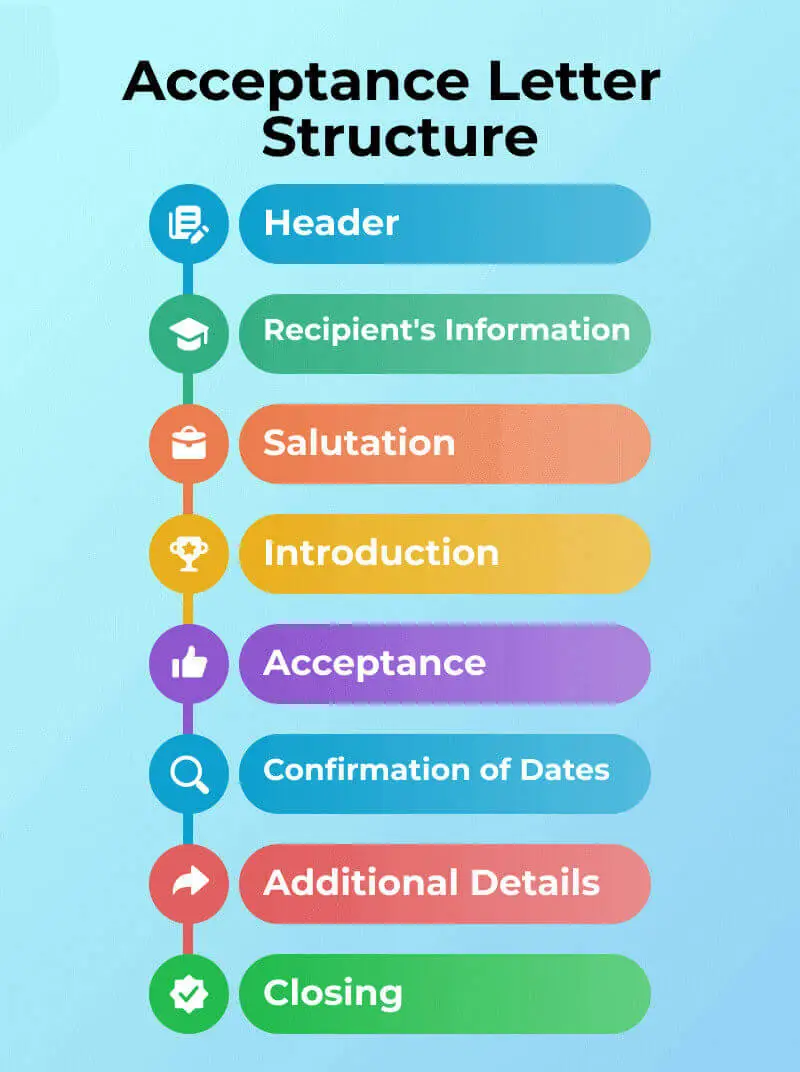
The letter typically expresses gratitude for the opportunity and confirms the applicant's commitment to joining the organization.
How to respond to the job offer?
Key components:
- Gratitude. Express appreciation for the opportunity to join the company.
- Confirmation. Make it clear that you accept the job offer.
- Terms. Acknowledge the agreement to the terms set forth in the job proposal, including salary, benefits, start date, and any other relevant details.
- Contact Information. Provide your data: full name, address, phone number, and email.
- Formal Closing. End the letter with a professional closing, such as "Sincerely" or "Best Regards", followed by your signature.
Job Offer Acceptance Letter Examples
For Candidates Who Negotiated Their Offer
Dear Mr. Martens,
I am very happy to accept the offer for the Content Manager job at Schulist Inc. I'm really looking forward to using my skills and knowledge to help your team and be a part of such an exciting and forward-thinking company.
I really appreciate that you were willing to talk things over and listen to what I had to say. I'm sure that the terms we've agreed on will help me do a good job.
Based on what we talked about, I will start on May 16, 2025. Before that time, I am ready to do any onboarding tasks that need to be done. Please let me know if there is anything else I need to do before I join the team.
Thanks again for this great opportunity. I'm happy to be a part of Schulist Inc. and help it grow and do well.
Warm regards,
Tamika W. Gates
For Candidates Who Didn’t Negotiate Their Offer
Dear Mrs. Sun,
I am writing to formally accept the job offer for the Software Engineer position at Cole LLC. It is an honor to have been chosen for this chance, and I am looking forward to being a part of the company's success.
I'm sure that my skills and experience make me a good fit. I'm excited to get started right away and make a real difference in the company's projects and goals.
I agree to start on April 5, 2026, as we agreed. Before my first day, I will be able to go through any necessary training to make sure I can start the job without any problems.
Thanks for this amazing chance.
Sincerely,
Edwin M. Hernandez
Conditional Job Offer Acceptance Letter
Dear Ms. Harrison,
Your letter from December 10, 2025, says that I can accept the conditional offer for the Marketing Manager job at GreenTech Solutions, Inc. I understand that I need to pass a background check and get the go-ahead from your executive team before I can accept.
I can't wait to join the team on February 5, 2026, as long as everything goes as planned. Please let me know if you need anything else from me.
Thank you for giving me this chance.
Sincerely,
Eli Dawson
FAQ
- What to do if I receive a job proposal but I'm still waiting to hear back from other companies?
- It's essential to be transparent with the hiring manager about your situation. Politely ask for a reasonable extension to make your decision, expressing your enthusiasm for the opportunity but explaining your need to see all options.
- If I accepted a job offer but later received a better one from another company, what should I do?
- While it's not ideal to renege, sometimes circumstances change. Communicate with both employers respectfully and professionally. It's vital to prioritize honesty and integrity throughout the process and handle the situation with care.
- What should I do if I need to relocate?
- Check out the new place, including housing options, the cost of living, and services that are close by. Also, talk to your boss about moving help or reimbursement options, and ensure you know exactly what help you will get.
- What should I do if I get more than one job offer at the same time?
- Read each one and see how much they pay, what benefits they have, how well you fit in with the company culture, how much room there is for growth, and where they are. Put your own values first and be honest and open with everyone so you can make good decisions on time.
Create your professional Resume in 10 minutes for FREE
Build My Resume
Conclusion
In short, you need to be careful when accepting a job offer. People can face this important milestone with confidence and clarity by following the steps in our guide.
Don't forget that receiving this document is not just about getting a position. It's about finding the right place for your skills, values, and career goals. So, think about your options, talk to people clearly, and then make a choice that fits with your objectives.