 by
Medical assistant interview questions play a vital role in evaluating candidates for occupations that blend clinical duties with administrative responsibilities.
For anyone aiming to secure a position in this dynamic field, understanding the types of inquiries typically posed can make a significant difference.
This article delves into the most frequently asked questions during interviews, offering insights into what hiring managers are seeking and how to present your qualifications effectively without sounding rehearsed.

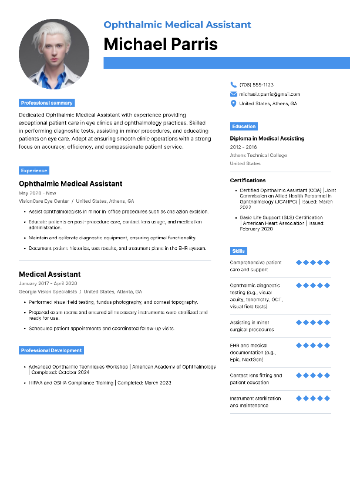
30 medical assistant interview questions and answers
1. Can you describe your experience with electronic health records (EHR)?
Accuracy in documenting patient data is essential. Recruiters want to confirm you're proficient with modern software systems and can handle digital workflows without compromising patient care or privacy.
In my last position, I consistently used Epic and occasionally Medisoft for managing patient records. I entered medical histories, recorded vital signs, and scheduled follow-ups. I became adept at troubleshooting minor system issues and always warrant information was entered securely and correctly. Familiarity with these platforms has made my work both faster and more reliable.
2. How do you handle a difficult or upset patient?
Healthcare settings can be stressful for patients. This question explores your conflict resolution skills and ability to maintain professionalism under pressure.
I approach the situation with empathy and active listening. When someone is upset, I try to perceive the root cause and acknowledge their feelings. For example, a patient once became angry about a billing error. I remained calm, reassured them I’d look into the issue, and collaborated with the billing team to resolve it. They appreciated being heard, and the situation de-escalated quickly.
3. What steps do you take to protect patient confidentiality?
Safeguarding sensitive health information is not only ethical but also legally required. They need to know you're diligent and alert about compliance.
I follow strict protocols to prevent unauthorized access. I never leave charts unattended, lock screens when stepping away from a workstation, and verify patient identity before releasing any information. I'm trained in HIPAA guidelines and make it a point to stay updated on any changes to policies.
4. Can you describe a time when you had to multitask effectively?
Medical assistants often face overlapping responsibilities. This query assesses how well you manage time and maintain accuracy amid a fast-paced environment.
During a particularly hectic flu season, I managed front-desk duties while preparing exam rooms and assisting with vaccinations. I created a checklist to track priorities and coordinated with colleagues to share liabilities. Keeping communication open and staying organized helped everything run smoothly despite the high volume.
5. How do you stay updated with developments in healthcare practices or technology?
They value continuous learning and want team members who invest in professional growth and remain well-versed about changes in the field.
I subscribe to the AAMA newsletter and follow several medical blogs that highlight updates in patient care and clinical tools. I’ve also completed recent online courses in telehealth practices and infection control. Staying informed facilitates me adapt to new procedures and provide better support to patients and staff.
6. Tell me about a time you made an error on the job. How did you handle it?
Mistakes happen. This issue aids employers understand your sense of responsibility, how you correct issues, and whether you learn from past experiences.
I once scheduled a patient for the wrong type of test. When I realized the mistake, I immediately enlightened my supervisor and contacted the patient to apologize and reschedule correctly. I then reviewed our scheduling protocol and suggested adding a confirmation checklist. That adjustment helped prevent similar mistakes going forward.
7. What aspect of working as a medical assistant do you find most fulfilling?
This helps them gauge your enthusiasm for the role and unfold your motivations.
I genuinely enjoy building rapport with patients. Many people come in feeling anxious or unwell, and I find it rewarding to help ease their stress through kindness and clear communication. It’s fulfilling to know I’m making someone’s experience a little easier during a difficult time.
8. How do you manage priorities when the clinic becomes especially busy?
They want to see how you maintain efficiency and composure during high-demand periods.
I assess which tasks are most urgent - such as rooming patients or assisting the physician - then delegate or delay less critical commitments like filing or inventory checks. I stay in close contact with coworkers to coordinate functions and adjust quickly if unexpected needs arise. Flexibility and clear thinking are key during peak hours.
9. Are you comfortable taking vital signs? What’s your method?
They need to verify your competency in essential obligations, which are often your first point of contact with patients.
Yes, I regularly perform vitals including temperature, blood pressure, pulse, and respiration. I begin by ensuring the equipment is clean and functional. I explain each step to the patient to keep them comfortable, and I double-check any unusual readings. Accuracy is crucial because it directly impacts diagnosis and care.
10. Why do you believe you're the right fit for this position?
This is your chance to showcase both your qualifications and how well you align with the culture and patient care standards.
With over three years of experience supporting internal medicine and pediatrics, I’ve developed a strong foundation in both clinical procedures and administrative endeavors. I’m detail-oriented, compassionate, and adapt speedily to new systems and workflows. I’m excited about the opportunity to contribute to a team that values both patient care and professional collaboration.


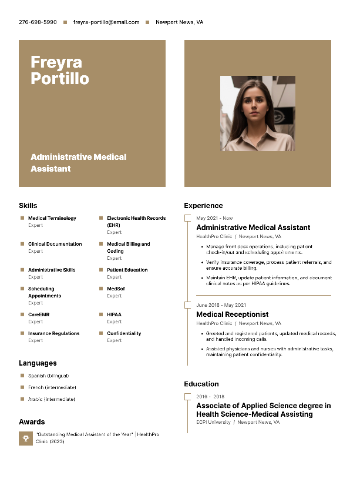
11. How do you maintain composure during high-pressure situations?
Healthcare environments can become hectic in a flash. When stress levels rise, bosses evaluate whether you can remain calm and effective.
I focus on staying organized and taking deep breaths to maintain clarity. For instance, during a sudden influx of patients, I prioritized actions, communicated clearly with the colleagues, and affirmed that patient care was not compromised.
12. Which undertakings are you most confident performing?
Recruiters need to confirm your hands-on skills correspond with the position’s expectations.
I am experienced in performing phlebotomy, administering injections, measuring vital signs, conducting EKGs, and assisting with minor procedures. I always follow strict safety and hygiene standards during these tasks.
13. What techniques do you use to collect accurate patient histories?
Obtaining precise patient information is vital, so recruiters want to absorb your method.
I employ active listening, ask clear and open-ended questions, and confirm details by paraphrasing what the patient has said. Additionally, I ensure documentation is thorough and review it for accuracy.
14. What experience do you have with medical billing and coding?
Understanding administrative functions is crucial, so interviewers ask about your familiarity in this area.
I have handled insurance verification, submitted billing codes, and worked with the billing department to resolve claim issues promptly. This experience helped me streamline patient billing and reduce errors.
15. How do you contribute to a collaborative work environment?
HRs want to see that you foster teamwork to enhance efficiency and patient care.
I promote open communication by actively listening to colleagues and offering assistance when needed. Participating in discussions and valuing others’ input helps build a positive and productive workplace.
16. How do you prepare and organize exam rooms?
Attention to detail is essential for infection control and patient readiness.
I thoroughly sanitize surfaces, uphold all necessary tools are sterile and within reach, and stock the room with supplies such as gloves and disposable gowns. I also verify that equipment is operational before the patient arrives.
17. What would be your approach if you observed a co-worker disregarding safety protocols?
This question evaluates your commitment to workplace safety and professionalism.
I would discreetly address the matter with the colleague first, emphasizing the importance of following procedures. If the behavior continued, I would escalate the issue to a supervisor to protect patient and staff welfare.
18. How do you manage confidential communications over the phone?
Maintaining privacy extends beyond physical records, so this is a critical skill.
I always verify the caller’s identity before discussing any patient information and document messages meticulously. I make sure to conduct such conversations in a private space to avoid unintentional disclosure.
19. How do you stay motivated when performing repetitive tasks?
Routine activities are part of healthcare roles, and employers want to know how you remain engaged.
I focus on the bigger picture, reminding myself that each task supports overall patient care. Setting small goals and taking brief pauses helps me maintain focus and a positive mindset.
20. Can you explain your knowledge of sterilization procedures?
Proper cleaning and sterilization prevent infection, making this an important area of expertise.
I strictly adhere to CDC guidelines, regularly check sterilization equipment for proper function, and use disposable supplies when possible. Maintaining a hygienic environment is always a top priority.
Create your professional Resume in 10 minutes for FREE
Build My Resume
21. How do you protect data in a hectic work atmosphere?
Ensuring confidentiality during busy periods is critical. Employers want assurance that privacy is never compromised.
I make it a priority to secure patient records and only discuss sensitive details in private settings. Even when the pace quickens, I strictly follow all laws to maintain trust.
22. Tell me about a time you provided exceptional support to a patient.
This question reveals your dedication to patient care beyond basic charges.
A patient once expressed anxiety before a procedure, so I patiently walked them through the process and stayed close until they felt at ease. This helped reduce their fears and improve their experience.
23. How do you manage scheduling when multiple patients require attention simultaneously?
Coordination is vital for smooth operations.
I assess the urgency of each case and communicate with patients and staff. For instance, I might prepare one individual while organizing paperwork for another, ensuring the workflow remains uninterrupted.
24. What steps do you take if instructions from a physician are unclear?
Clarifying directions prevents errors and promotes safety.
I respectfully seek clarification or paraphrase the instructions to confirm I discern. Effective communication enforces that tasks are completed correctly.
25. Describe your role in managing clinical supplies.
Proper supply management warrants the clinic runs efficiently.
I keep track of inventory, reorder materials before they run low, and maintain an orderly storage system to guarantee all necessary items are available when needed.
26. How do you determine priority when patient needs exceed available resources?
Sound judgment is essential in resource-limited situations.
I evaluate the severity and prioritize urgent cases first, coordinating with the healthcare team to manage the flow of patients.
27. How do you educate patients regarding their health care?
Helping individuals understand treatment enhances compliance and recovery.
I explain medical information in simple terms, use visual aids when appropriate, and encourage questions to certify they fully comprehend their care instructions.
28. How do you approach working with patients from different cultural backgrounds?
Cultural sensitivity improves comfort and outcomes.
I respect diverse perspectives and adjust my communication to accommodate individual preferences, ensuring compassionate and personalized service.
29. What experience do you have with organizing appointments?
Scheduling efficiency affects both patient satisfaction and clinic productivity.
I’m skilled in using planning software to arrange, adjust, and confirm appointments, while sending timely reminders to minimize no-shows and delays.
30. How do you juggle clinical responsibilities alongside administrative tasks?
Balancing multiple duties requires strategic planning.
I use prioritized to-do lists and allocate dedicated time slots for paperwork versus patient care to maintain accuracy throughout the day.

List of medical assistant interview questions to ask the employer
20 MA candidate interview questions:
- Could you walk me through a typical day for a medical assistant at this facility?
- On average, how many patients are seen daily in this office?
- Which electronic health record (EHR) platform is utilized here?
- Are there opportunities available for ongoing training or career growth?
- How is the medical assistant team organized within the practice?
- What are some common obstacles your medical assistants encounter?
- How do you evaluate performance and success for those in this role?
- What does the onboarding and orientation process look like for new staff?
- Is there a chance to get involved with specialized procedures or collaborate with other departments?
- What measures do you have to help employees maintain a healthy work-life balance and manage stress?
- Which safety protocols are implemented to protect patients and staff?
- How would you describe the communication dynamics and teamwork among your staff?
- What is the typical process for providing feedback to medical assistants?
- Are there pathways for advancement or expanded responsibilities?
- How does the clinic approach educating patients and ensuring proper follow-up?
- How do you handle encounters with challenging or non-cooperative patients?
- What resources or equipment are available to assist medical assistants in their duties?
- How does the organization stay current with healthcare laws and best practices?
- What qualities or attributes do you consider essential for success in this position?
- During busy periods, how is patient flow managed to maintain efficiency?
Conclusion
Wrapping up, preparing for medical assistant interview questions is key to making a strong impression and landing the role you want.
Understanding what employers seek - from clinical skills to communication and teamwork - helps you craft thoughtful, confident responses.
With the right preparation, you’ll be well-equipped to navigate the interview successfully and take the next step in your career.
Create your professional Resume in 10 minutes for FREE
Build My Resume