 by
by Proper scheduling really matters when you’re looking for a gig. Appoint at the right moment, and you boost your shot at snagging that dream position. But here’s the big question: When exactly is the best time to apply for jobs?
It helps to know how staffing works: stuff like seasonal trends, industry cycles, and the habits employers follow when they’re searching for new people. These patterns can make a big difference.
Let’s dive into the best times for the new employment, offering strategic advice to help you maximize your opportunities.
Best time to look for jobs by season
Every season shakes up the job market in its own way. Some months feel quiet, others explode with new opportunities. Here’s how hiring trends by month usually play out:
1. Winter
| Month | Description | Considerations |
|---|---|---|
| December | Sometimes you’ll spot openings, especially when companies want someone ready for the new year. | It’s great to prep your resume, brush up on skills, and grow your network. Not so much for sending out tons of submissions. |
| January | This is when things kick off. Fresh budgets, new plans. | The catch? The first couple of weeks can drag since folks are getting back from the holidays and clearing their inboxes. |
| February | Now the action starts. Firms want to lock in their teams, so they move faster with interviews and offers. It’s one of the best hiring months. | But watch out - everyone else knows it too, so you’ve got a lot of competition. Bring your A-game. |
2. Spring
| Month | Description | Considerations |
|---|---|---|
| March | Organizations start posting more, and there’s a real push to wrap up recruitment fast. | It gets crowded out there - if you want a shot, your resume has to stand out. |
| April | Staffing keeps rolling as businesses gear up for summer. They want people in place before everything slows down mid-year. | Competition is fierce now. Don’t wait around - move fast and stay ahead. |
| May | This is the peak hiring month. Employers scramble to fill spots before summer kicks in. | Some industries start to cool down as folks head off on vacation. |
3. Summer
| Month | Description | Considerations |
|---|---|---|
| June | If you’re in retail or tourism, this is a hot moment for onboarding. | Things can slow down since people take off for holidays. |
| July | Some spheres hit pause, but others - especially those with pressing needs - ramp up talent acquisition. | Lots of decision-makers are on vacation, delaying the interview process. |
| August | You'll usually see a rise in open positions as fall approaches and commercials hurry to secure talent. | The competition is still tough, so you have to set yourself apart. |
4. Autumn
| Month | Description | Considerations |
|---|---|---|
| September | This is when employment searches take off again. Businesses are back from summer break and chasing their year-end goals, so posting vacancies becomes a common occurrence. | More players are entering the field, so there's more competition. |
| October | The induction buzz holds going. Firms are eager to lock in new hires before the fiscal year wraps up. | As the year winds down, some careers become even more cutthroat. |
| November | Still a solid month. Recruiters want to fill roles before the holidays hit. | But with the day offs coming up, expect a few delays. |
Best time to apply for a job by day
Based on studies and expert insights, Tuesday is often considered the most optimal day to submit a resume.
Here's when to apply for jobs:
Ideal Days:
- Tuesday: A study by LinkedIn found that applying on this day can increase your chances of moving forward in the process by up to 20%. This time allows staffing specialists to review your paper early in the week and potentially schedule interviews.
- Monday: Considered an effective time because HRs start the week by reviewing new entries. It gives recruiters time to process your resume during the rest of the week.
- Wednesday: Still decent, as personnel officers may be wrapping up ongoing tasks but actively evaluating appeals.
Less Ideal Days:
- Thursday & Friday: These days are less effective because the cycle is winding down. Employers may delay looking at candidates until the next rotation.
- Weekend (Saturday & Sunday): Not recommended. HRs may not be active over the weekend, meaning your submission could be buried under a new influx of applications on Monday.
Best time to job search by industry
The best time to apply for jobs can vary significantly depending on the sphere. Different sectors like capital goods field and others have their own acquisition patterns based on project cycles, market demand, and financial budgets.
1. Tech & IT
When is the hiring season? January-March and September-October.
Tech companies often have budget cycles that reset in Q1, leading to new projects and open positions. In Q3 and Q4, tech firms gear up for year-end product launches or seek to meet onboarding goals before the end of the fiscal year.
Many ramp up selection when product development phases transition to new stages. Mid-January and early September are optimal as recruiters return from holidays and summer vacations.
Avoid: Late December and mid-summer (July) when placement slows due to getaways and holidays.
What roles are in demand?
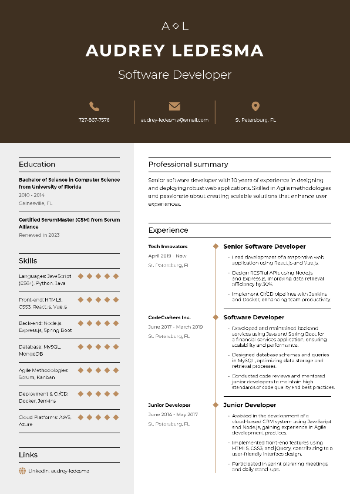
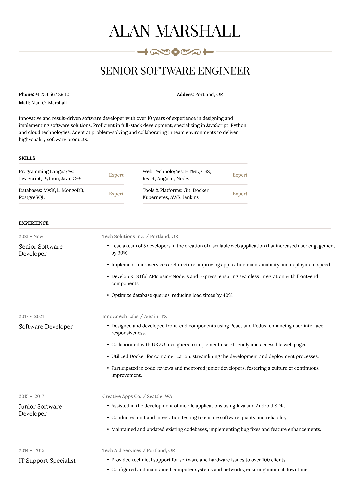
- Software engineers (especially backend and full-stack)
- Cloud engineers (AWS, Azure, GCP)
- Cybersecurity analysts
- IT support and help desk technicians
- Data analysts and data engineers
- DevOps and site reliability engineers (SRE)

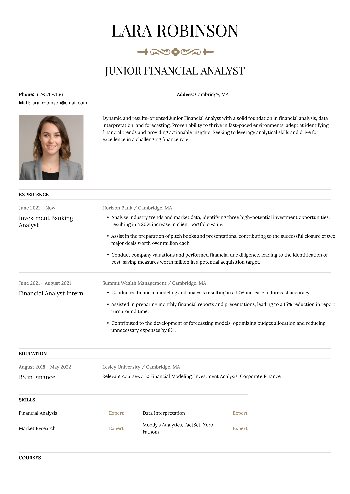
2. Finance & Banking
When is the hiring season? January-March and September-November.
Bonuses are typically distributed in January and February, so employees are more likely to leave, opening up roles. Banks undergo strategic planning and budget approval early in the year.
In investment banking, employment accelerates after earnings season (mid-January to March) and during fall recruiting to meet year-end project demands.
Avoid: July and August, when many senior staff are on vacation, slowing down the process.
What roles are in demand?
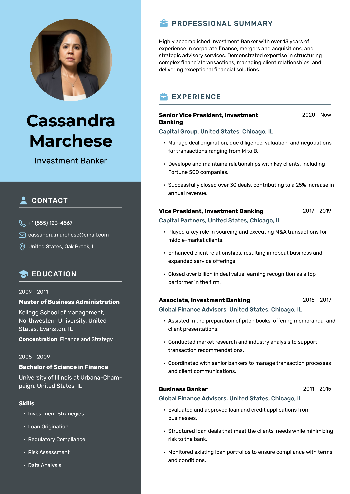
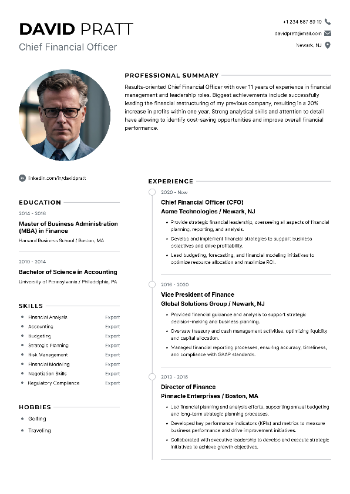
- Financial analysts
- Compliance officers
- Loan officers
- Risk managers
- Relationship managers
- Credit analysts
3. Education
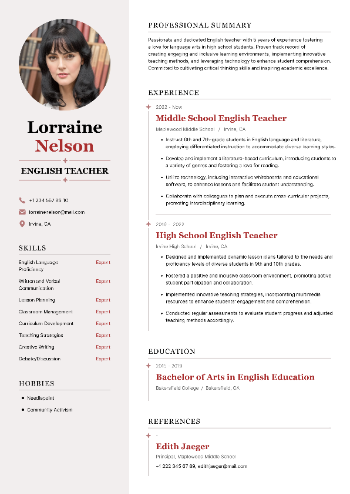
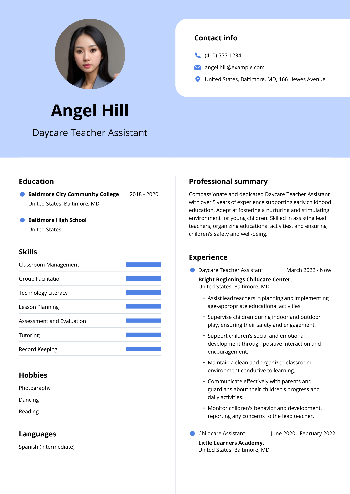
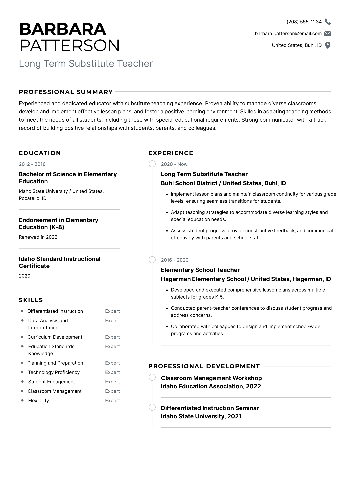
When is the hiring season? March-July (before the academic year begins).
Staffing for K-12 schools, universities, and colleges aligns with the educational year. Institutions begin assessing their staffing needs for the upcoming school year in the spring.
Universities often start recruiting in late winter to secure top faculty and staff before summer. For administrative roles, applying between April and June is ideal as budget reviews are finalized.
Avoid: September and December, when the year is in full swing and hiring tends to slow down.
What roles are in demand?
- Teachers (K-12 and university level)
- School counselors
- Administrative coordinators
- Curriculum developers
- Special education specialists
- Librarians
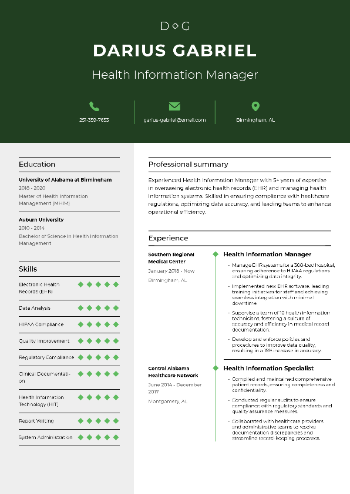
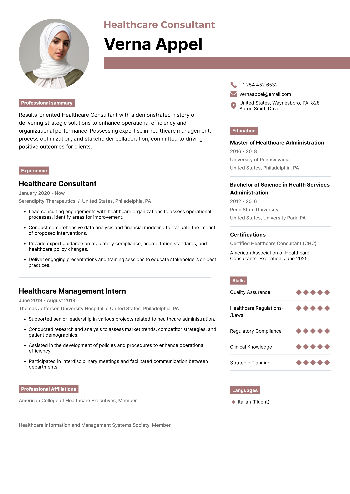
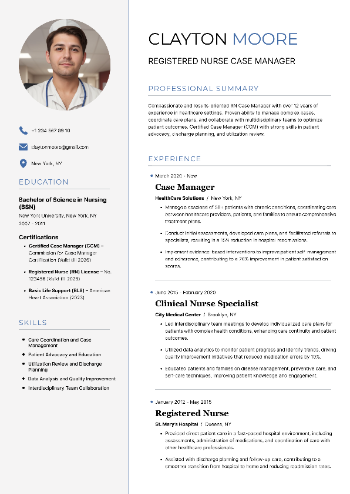
4. Healthcare
When is the hiring season? Year-round, with peaks in January-March and June-September.
Healthcare has steady demand, but recruitment spikes occur when hospital budgets reset and during peak patient seasons (winter for flu season and summer for elevated surgeries).
Many healthcare facilities hire nurses and administrative staff in June and July to prepare for rising summer patient volumes.
Avoid: December and August, when many medical professionals take time off, reducing recruitment activities.
What roles are in demand?
- Registered nurses
- Medical assistants
- Lab technicians
- Physical therapists
- Medical coders
- Health administrators
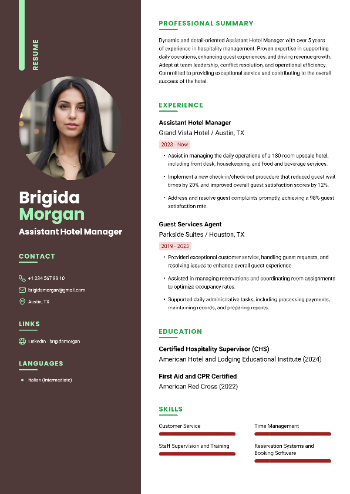
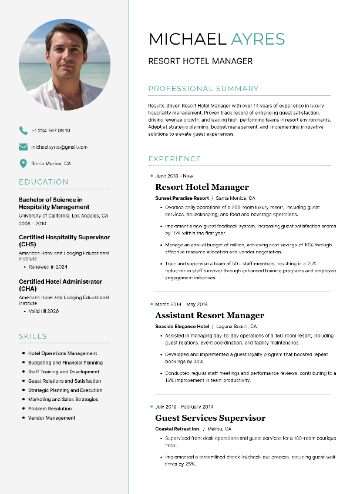
5. Retail & Hospitality
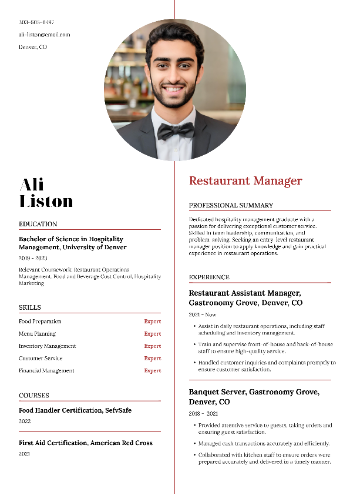
When is the hiring season? September-November and May-June.
Retail and hospitality sectors prepare for their busiest times — holiday shopping and summer tourism — by enlisting in advance of these seasons.
Apply by early September for holiday retail jobs. In hospitality, picking for summer positions typically happens in late spring as hotels and resorts prepare for increased travel.
Avoid: January and February, which are slower seasons after the holidays.
What roles are in demand?
- Store managers
- Customer service representatives
- Sales associates
- Hotel front desk agents
- Event coordinators
- Food and beverage managers
6. Marketing, Advertising & Media
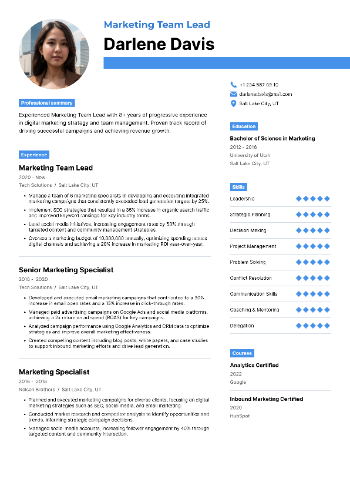
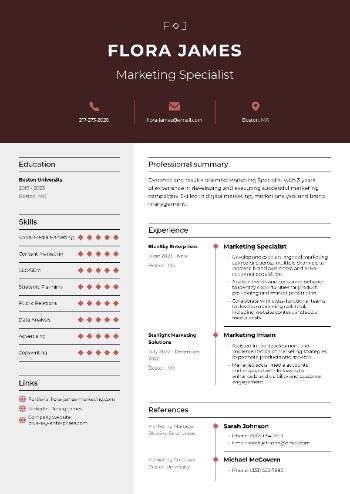
When is the hiring season? January-March and August-October.
Many marketing agencies receive new budgets in Q1, leading to boosted project work and needs. The fall brings a surge in marketing efforts for holiday campaigns.
Target January for digital and advertising roles tied to new budgets and August-September for occupations supporting holiday marketing strategies.
Avoid: Late November and December, when budgets for new hires may be exhausted and campaign work has already been planned.
What roles are in demand?
- Content writers
- Social media managers
- Brand strategists
- Graphic designers
- Media planners
- Public relations specialists
7. Government & Public Sector
When is the hiring season? October-December (before fiscal year starts) and March-June (new budget cycles).
U.S. federal divisions align recruitment with the fiscal year that starts in October. Many local offices hire after budget approval in early spring.
Federal job openings often post from October to December to ensure signing is complete by the fiscal year’s start. Apply March to June for state government roles as new projects are approved.
Avoid: August, when many government employees are on leave, and late summer bringing on is slower.
What roles are in demand?
- Policy analysts
- Administrative assistants
- Urban planners
- Public affairs specialists
- Grants managers
- Program coordinators
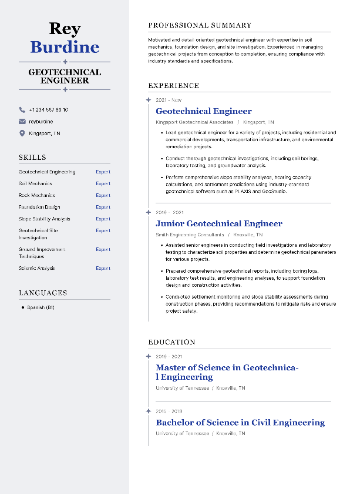
8. Construction & Engineering
When is the hiring season? January-April and September-November.
Construction firms plan projects for the spring and summer seasons during early winter. Engineering roles see risen appointment at the start of new initiatives in January or after the fiscal year closes in September.
Apply in early winter for roles starting in spring, particularly for larger projects that require significant time.
Avoid: Late summer, when projects are in full swing and less focus is on selection.
What roles are in demand?
- Project managers
- Site supervisors
- Skilled trades workers (electricians, plumbers, carpenters)
- Surveyors
- Safety officers
- Construction estimators
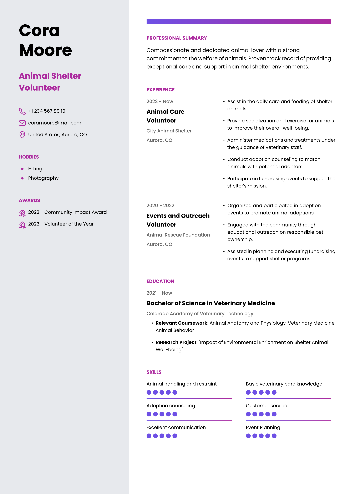
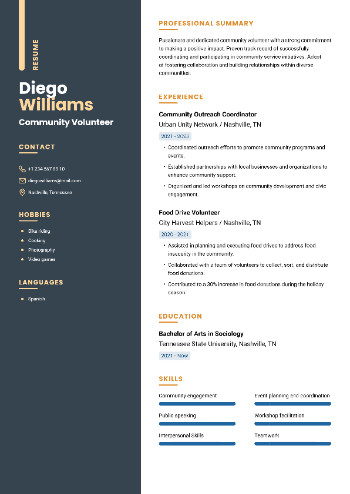
9. Nonprofits
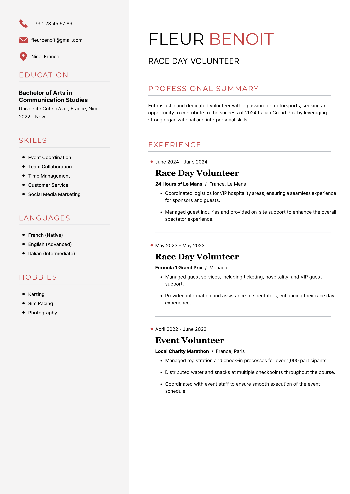
When is the hiring season? November-January and May-July.
Nonprofits align staffing with their funding cycles, which often close at the end of the year, making January a common application time. Summer also sees a spike in hiring for internships and volunteer roles.
Many nonprofits conduct annual fundraising campaigns in the fall, leading to new needs in the months that follow.
Avoid: February-March and August-September, which tend to be quieter periods with fewer new openings.
What roles are in demand?
- Fundraising coordinators
- Volunteer managers
- Program managers
- Grant writers
- Outreach specialists
- Communications officers
10. Manufacturing
When is the hiring season? January-April and September-November.
Manufacturing companies hire after planning new production cycles. In the autumn, enhanced spending on consumer goods during the holiday season may head to a surge in hiring.
Many firms ramp up processing in early spring and early fall to prepare for peak selling periods, so these are ideal times to apply.
Avoid: July and August, when onboarding slows due to lower fabrication activity.
What roles are in demand?
- Production supervisors
- Quality control inspectors
- Machine operators
- Maintenance technicians
- Logistics coordinators
- Safety compliance officers
11. Consulting
When is the hiring season? September-November and January-March.
Consulting branches acquisition in preparation for year-end projects and new contracts signed in Q1. The beginning of the year brings magnified demand for consultants as new budgets and strategic initiatives are rolled out.
Fall is critical for expansion, especially for firms securing new clients for the holiday season or beginning planning cycles for the following year.
Avoid: Late December, when most consulting work slows down, and fewer positions are open.
What roles are in demand?
- Business analysts
- Management consultants
- Client relationship managers
- Project coordinators
- Market researchers
- Change management specialists
12. Real Estate
When is the hiring season? February-June.
The real estate market heats up in the spring and summer, so organizations often take additional agents, brokers and support staff starting in late winter to gear up for the busy season.
Apply in February and March when real estate companies onboard new agents before the peak home-buying season begins.
Avoid: November and December, when the market is generally slower, especially for residential real estate.
What roles are in demand?
- Real estate agents
- Property managers
- Leasing consultants
- Appraisers
- Real estate analysts
- Marketing coordinators
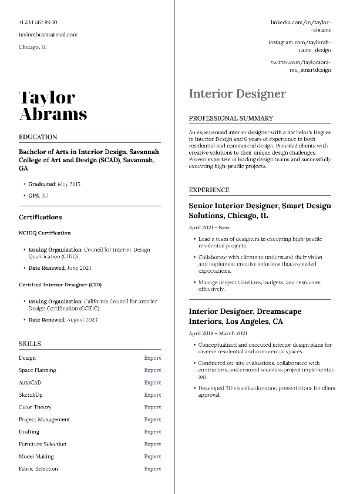
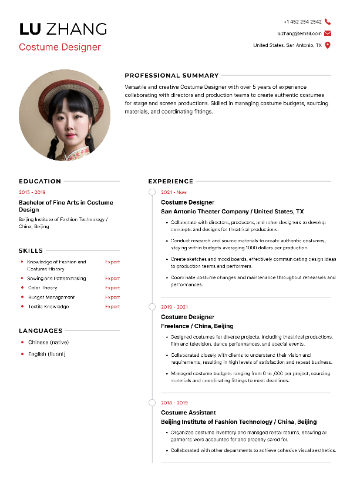
13. Creative & Design
When is the hiring season? January-March and August-October.
Creative agencies, design firms, and freelance gigs ramp up in Q1 as companies start new branding and marketing campaigns with fresh budgets. The late summer period also sees increased engagement for holiday campaigns and year-end promotions.
Apply in early January for roles tied to new year projects and late August for opportunities linked to holiday campaigns.
Avoid: December, when many creative bureaus slow down after planning and completing year-end projects.
What roles are in demand?
- Graphic designers
- Art directors
- Copywriters
- Photographers
- Production coordinators
- UX/UI designers (non-coding roles)
Worst application time
The worst period to look for jobs, whether it's for internships, full-time positions, or even admissions to certain programs, varies by industry and context.
However, here are general patterns for "bad" times:
1. Holiday Seasons
Reason: Many organizations slow down their operations, focusing on year-end reviews, holidays, and budget planning for the upcoming year. Hiring managers and HR departments may be out of the office or less responsive.
Exception: Some retail, hospitality, and customer service roles may see a surge in onboarding due to the holiday season.
2. Late Summer
Reason: People tend to take vacations, and organizations might delay decisions until after the summer break. Budgets might be stretched thin toward the end of the fiscal year.
Exception: Specializations like tourism, hospitality, or summer-specific roles could have more openings during this time.
3. End of Fiscal Year/Quarter
Reason: Many companies focus on closing out budgets and meeting performance targets, leaving little room for procurement. Appointment is more likely to be postponed until the next fiscal cycle.
Exception: Financial services, accounting, and tax-related roles might increase hiring around this time.
4. Mid-academic Year for University/College Applications
Reason: Most university enrollments have a fall deadline (around December/January), so acting too late into the academic year may mean missing scholarship or financial aid deadlines.
Exception: Rolling admissions or programs that accept students year-round.
5. During an Economic Downturn
Reason: Recessions or economic downturns lead establishments to freeze hiring, cut budgets, and focus on internal restructuring rather than growth and recruitment.
Exception: Some industries like healthcare, IT, and essential services may still hire during tough economic times.
If possible, try to aim for peak hiring periods, such as early in the year (January to March) and early fall (September to October), when companies tend to have fresh budgets and are actively seeking talent.
FAQ
- Is it better to apply early in the staffing process?
- Yes, sending your professional resume within the first few days of a job posting increases your chances of getting noticed.
- Do hiring managers check candidates right away?
- It depends, but many start reviewing resumes within a few days after publishing a position.
- Is it too late to apply if a job posting has been up for weeks?
- Not necessarily, but if it's been over a month, the role may already be filled or in final interview stages.
Conclusion
Timing your job search can significantly impact your chances of making a strong impression. Understanding the optimal days and times to apply can help your resume stand out and reach HR when they are most receptive.
Strategic timing, combined with a well-crafted resume and tailored cover letter, positions you to make the most of each opportunity.
Ultimately, being aware of and leveraging these timing insights empowers you to approach your job search with greater precision and confidence.
Create your professional Resume in 10 minutes for FREE
Build My Resume