 by
by How long does it take to write a resume? Honestly, it depends - your background, the job you want, and how much detail you put in all play a part.
Let’s dig into what goes into the process and how much time you’ll likely spend. I’ll also share a few tricks to help you craft a sharp, impressive paper without wasting hours.
How long does it take to write a resume based on career level?
Creating a great first impression starts with a strong CV. But let’s be real - most job seekers aren’t sure how much time they should actually spend putting one together.
Here’s a breakdown of how long to make a resume:
1. Entry-Level (0-2 years of experience)
If you’re just getting started or transitioning from school to work, your paper is mostly about your academic background.
Don’t skip part-time roles or extracurricular activities - they show off skills you can use.
Estimated Resume Writing Time: 3 to 6 hours
- Information Gathering (1-2 hours). Begin by sorting out your education, internships, volunteer work, talents - basically, anything that reveals what you can do. Take a minute to really think about what are your strengths.
- Typing and Editing (1-2 hours). You won’t have a ton of work experience yet, so focus on your potential and how you fit what employers are looking for. Ensure to tweak your document for each position you apply to.
- Proofreading (1-2 hours). Give yourself enough time to check your material for mistakes and verify it’s easy to read.
2. Mid-Level (3-10 years of experience)
Now you’ve got more to brag about - bigger titles, some promotions, and real achievements you can point to. Your resume should make it obvious you’re moving up, taking charge, and picking up specialized skills along the way.
Estimated Resume Writing Time: 4 to 8 hours
- Review and Update (1-2 hours): Go back through your paper, add your latest roles, and clean up the way you describe your older occupations. Hold it current.
- Tailoring for Specific Jobs (1-3 hours): For every place you want, tweak your doc so it really highlights the powers and skills that fit what they’re looking for.
- Proofreading (1-2 hours): Give it a careful read. Fix any errors, tighten up the language, and confirm it all looks good. Nothing sloppy slips through.
3. Executive (10+ years of experience)
For seniors, your page isn’t just a list of vacancies it’s proof you can lead, make big decisions, and move the needle. Now’s the time to focus on your biggest wins, the kind that changed things for your company.
Estimated Resume Writing Time: 8 to 12 hours (or more)
- Prioritizing (2-3 hours). Gathering all your accomplishments together takes time, especially if you have had many different hats to wear.
- Tailoring for Executive Roles (3-5 hours). You’ll need to spell out your vision, explain the numbers and emphasize how you delivered results – think revenue, growth or building strong teams. Each task deserves its own approach.
- Design and Final Edits (2-3 hours). Everything needs to look sharp. Go over your CV again to refine it, improve its legibility, and cut out any unnecessary information.
How long does it take to write a good resume based on industry?
Each field has its own expectations regarding format, content, and emphasis on specific skills or backgrounds.
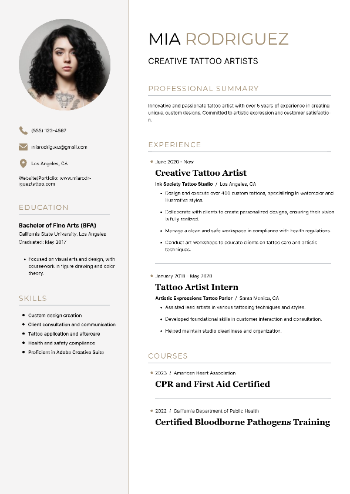
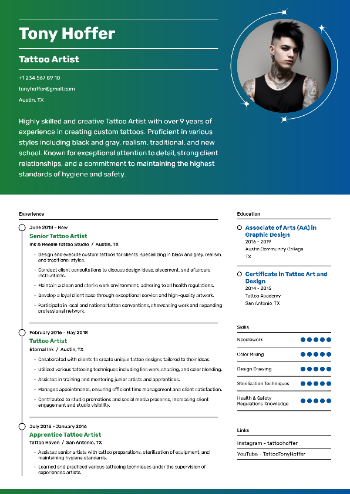
1. Creative
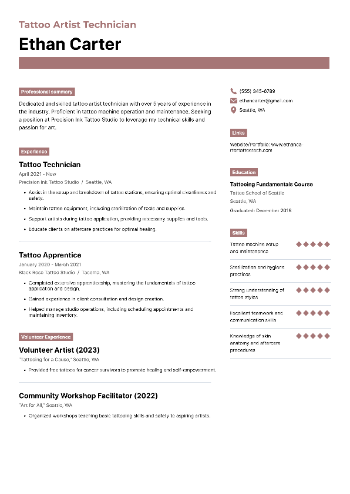
In artistic sectors, resumes should not only outline your experience but also reinforce your visual style and portfolio.
Estimated Resume Writing Time: 5 to 8 hours
- Portfolio Preparation (1-2 hours). Gather evidence of your past projects, campaigns, and any artworks to showcase.
- Variation for Industry Needs (2-3 hours). Art applications often need to be personalized.
- Design (2-3 hours). Focus on the layout and visual appeal. The design should be cohesive with your brand, which can take extra time, particularly if you want something unique.
2. Tech
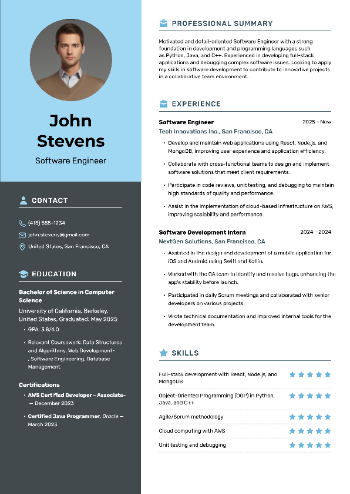
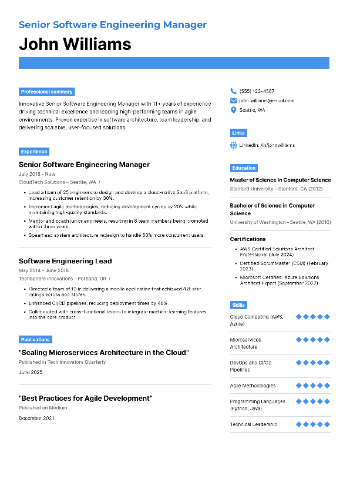
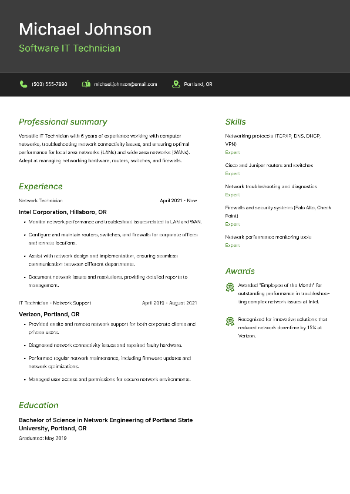
In the IT world, employers prioritize specific hard skills, software proficiencies, and project experience. Resumes for these roles tend to be straightforward.
Estimated Resume Writing Time: 3 to 6 hours
- Technical Skills Gathering (1-2 hours). Collect all programming languages, certifications, and tools you’ve worked with.
- Role-Specific Alteration (1-2 hours). Tailor the content to point out initiatives or technical solutions you’ve developed.
- ATS Optimization (1-2 hours). After ensuring the content is error-free, refine the language for clarity and make adjustments to pass Applicant Tracking Systems (ATS) by including keywords.
3. Healthcare
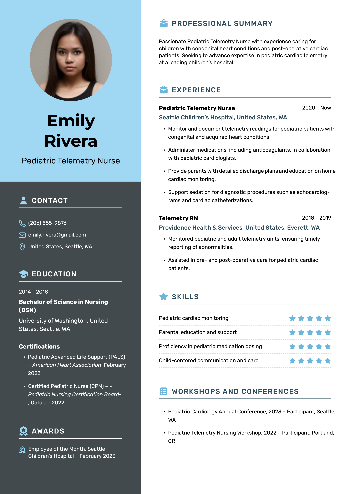
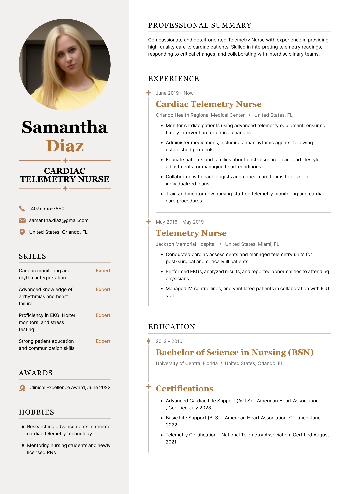
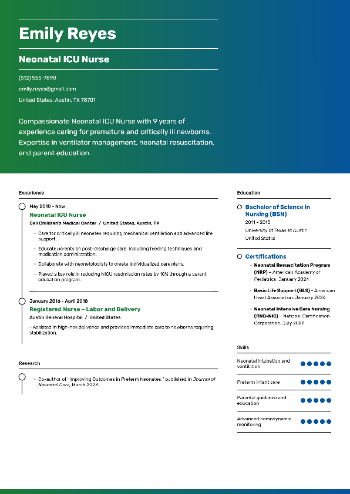
For medical roles in healthcare, resumes emphasize credentials, clinical experiences, and specialized skills.
The format is typically more traditional, with a focus on qualifications that demonstrate your ability to provide patient care or conduct research.
Estimated Resume Writing Time: 4 to 7 hours
- Credential Compilation (1-2 hours). Assemble your trainings, licenses, and work history.
- Tailoring for Specific Roles (2-3 hours). Depending on the type of healthcare position, such as nursing or clinical research, adjust your document to center on the most pertinent skills.
- Refining (1-2 hours). Carefully review the details for accuracy, verifying that certificates are clearly stated and up to date.
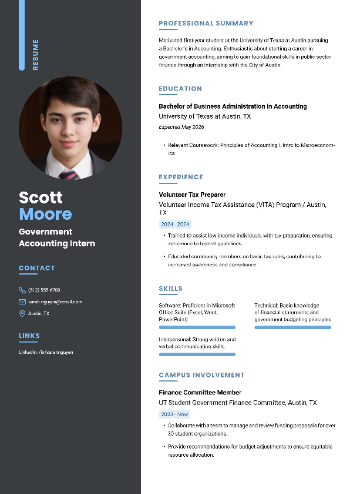
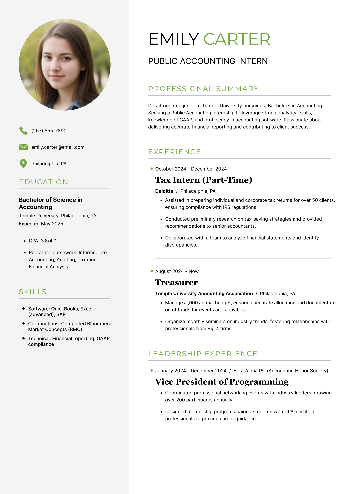
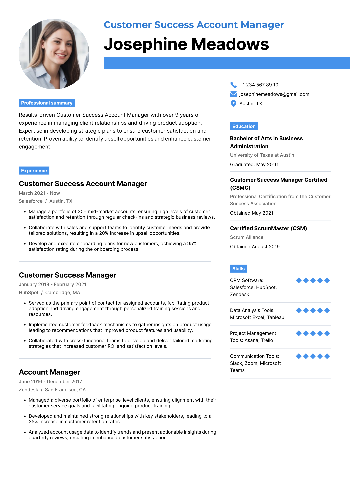
4. Finance and Accounting
In these spheres, your paper should spotlight your financial expertise, certifications, and accomplishments like cost savings, analysis, or process improvements. These roles require precision and attention to detail.
Estimated Resume Writing Time: 3 to 5 hours
- Gathering Financial Experience (1-2 hours). Compile details about your past roles, including projects, impact, and any credentials.
- Customizing (1-2 hours). Tweak the draft to emphasize relevant valuable skills for auditing, budgeting, or analysis.
- Adjustments (1 hour). Check all numbers are represented accurately, with a strong focus on clarity and formatting.
5. Law
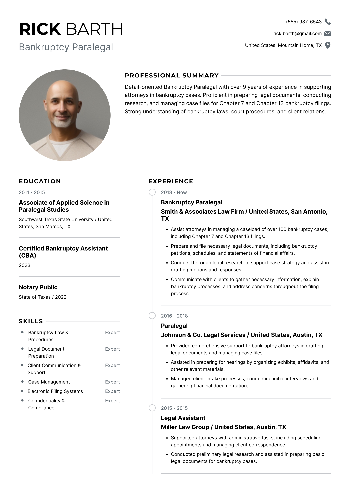
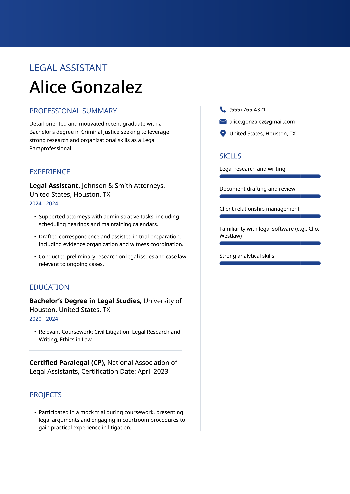
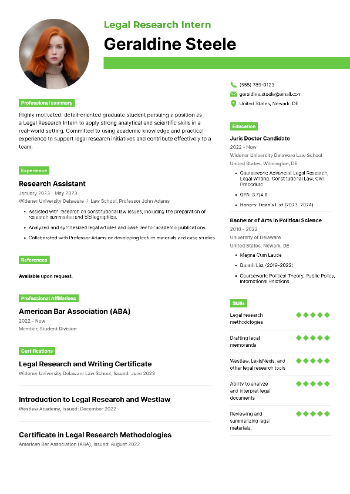
Legal resumes require a more formal tone, highlighting internships and degrees. The heed is on qualifications, casework, and areas of law expertise.
Estimated Resume Writing Time: 4 to 6 hours
- Academic and Legal Compilation (1-2 hours). Gather educational reports, clerkships, and any case management work.
- Adaptation (1-2 hours). Tailor your document for niche areas, whether you're searching for a litigation position or a corporate consultant role.
- Formatting (1-2 hours). Concentrate on making the material visually clean and structured, and check all data is accurate.
6. Education
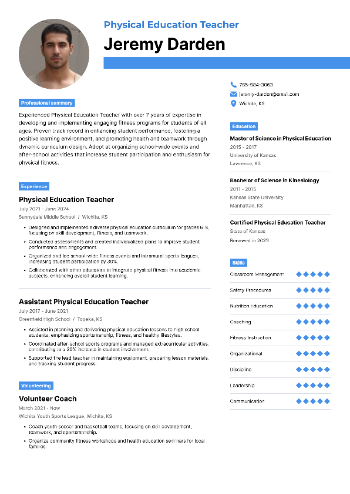
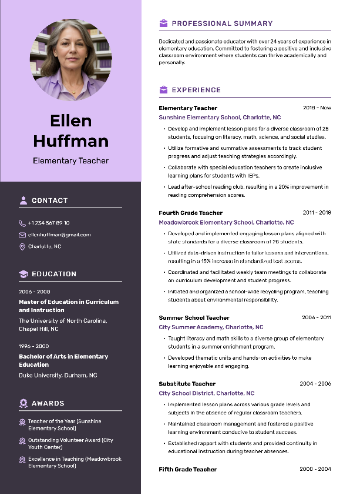
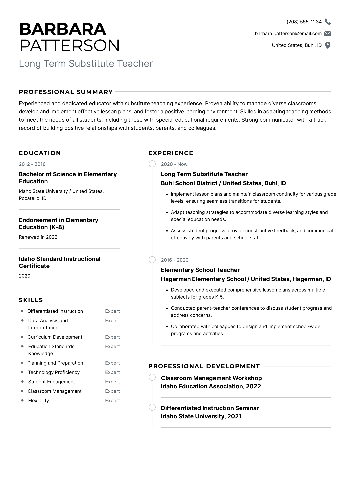
In academia, your resume (or CV) should accent your teaching experience, publications, and any relevant development.
Estimated Resume Writing Time: 4 to 7 hours
- Statistics Gathering (1-2 hours). Collect data about your degrees, extracurricular activities, articles, and academic awards.
- Tailoring (1-2 hours). Depending on whether you're applying to a university, school, or institute, alter the doc to showcase the accomplishments.
- Review (1-2 hours). Double-check that all credentials are accurate, and refine the language to ensure clarity.
Tips on how to reduce resume time
1. Use a resume builder
Resume templates offer a pre-designed structure, allowing you to focus on content rather than format. Many customizable options are available for different industries.
Select a preset that suits the job you’re searching for to minimize the need for extensive changes.
Create your professional Resume in 10 minutes for FREE
Build My Resume
2. Keep a master resume
This document contains all your expertise, qualifications, and achievements in one place. It speeds up the process when tailoring for specific applications.
Regularly update this text, so you only need to select the relevant information when looking for new positions.
3. Emphasize key contributions
Focusing on accomplishments rather than a long list of tasks means your CV will have more impact and save time by eliminating unnecessary content.
Highlight measurable results (e.g., “boosted revenue by 30%”) to bring a stronger impression.
4. Use bullets
Bullet points condense facts into easily digestible sections of resume, making your document quicker to read and edit.
Limit each role to 3-5 short lines, emphasizing the most important aspects.
5. Concentrate on relevance
Centering on the most pertinent qualifications reduces the amount of information you need to include.
Review the job description to leave out irrelevant details.
6. Utilize AI tools
Resume builder streamline the process by offering content suggestions, checking grammar, and optimizing for ATS compatibility.
Platforms like Resume Trick can help you create a polished document in less time.
7. Limit length
Keeping your application concise allows for easier customization and quicker updates. Avoid outdated details.
Stick to one page resume format for entry or mid-level positions, and two for more senior roles.
FAQ
- Can I complete my resume in one sitting?
- It’s possible, but depending on the level of detail required, you might want to break the task into smaller segments.
- Can resume-writing software really save time?
- Yes, they can be a huge time-saver. These tools often provide industry-specific templates, guidance on how to phrase your experience, and tips for improving layout.
- Is there a specific time of day that’s better for writing my resume?
- It is all about when you feel most productive. If you work best in the morning, start then. If you’re more creative in the evening, that’s when you should focus on crafting your document. Scheduling uninterrupted blocks of time will also improve efficiency.
- Should I include every job I’ve ever had?
- No, only those that are relevant to the position. Highlight history that adds value to the role.
- How do I avoid procrastination?
- Start by breaking the process into manageable parts. Prioritize one section at a time. Set small deadlines for each block. Keeping the task organized and simple will help you maintain momentum.
Conclusion
The time it takes to write a resume can vary significantly based on factors like your career level, industry, and the complexity of the job.
Whether you're crafting your first application, updating an existing one, or tailoring it for a specific occupation, it's important to allocate enough time to create a document that effectively highlights your strengths.
Ultimately, investing time in your resume now will pay off in the long run, helping you stand out to potential employers and increasing your chances of landing an interview.
Create your professional Resume in 10 minutes for FREE
Build My Resume