 by
by In today’s job market, having an outstanding resume isn’t just helpful — it’s essential if you want a shot at that dream post. That’s your opening move. It needs to show off your skills, achievements, and experience without wasting a second.
Recruiters fly through applications in seconds, so how to make your resume stand out and actually get noticed?
This guide covers practical ways to boost your paper — everything from sharpening the content to pushing the design work in your favor. Whether you’re just starting out or switching careers, these tips are here to help you break through the noise.
Basics
All resumes that really catch attention start with a strong foundation. Getting familiar with the core elements and different sections of resume is key before you try any fancy tricks.
1. Contact information
Right at the top of your page, display your name, phone number, email address, and location (city and state). Double-check that elements are accurate and easy to spot — nobody wants to hunt for your contact info.
While it’s not required, attaching a link to your professional online profile, like LinkedIn, can really help you.
You might also think about other links, such as your social media accounts (for example, GitHub if you’re a developer, Behance for designers), or a personal website to share portfolio.
2. Opening statement
A resume summary outlines how your history connects directly to the job you want. It’s your chance to quickly spotlight what makes you a strong fit — think of it as your career reel.
When to use it:
- You have at least a couple years of work experience (2+ years).
- You want to reveal your qualifications, achievements, or special skills.
- You’re aiming for a particular sphere.
Examples of resume opening statement:
Marketing specialist with 5+ years working across digital campaigns, social platforms, and SEO. Increased web traffic by 30% year after year and handled marketing budgets over $100K. Known for creative strategies that drive brand awareness and lift customer engagement.
Customer service professional experienced in delivering friendly, efficient support via phone, email, and live chat. Skilled at resolving problems, offering product advice, and keeping satisfaction scores high.
Product manager with 4+ years leading teams to launch innovative products. Strong background in user-focused design, product lifecycle, and data analysis. Managed product roadmaps and rolled out strategies that brought real business growth.
A resume objective, on the other hand, is more about what you hope to accomplish.
When to pick it:
- You’re just starting your career or have minimal experience.
- You’re changing industries and want to explain the transition.
- You want to underline your work goals in relation to the occupation.
Examples of resume objective:
Recent Computer Science graduate aiming for an entry-level engineering role at a top tech company. Ready to bring strong Java and Python skills to a team focused on innovative projects and business growth.
Marketing graduate looking for a starting position in digital marketing. Excited to use my skills in social media, content creation, and SEO to help a brand reach new audiences.
HR professional early in my career, hoping to apply strengths in recruitment and employee development to support a positive, motivated workplace.
3. Skills
Most firms these days rely on Applicant Tracking Systems (ATS) to sift through resumes. Basically, these systems hunt for job-specific keywords and filter out anything that doesn’t fit. If you match your abilities to what’s in the description, you stand a way better chance of making it through that first round.
- Hard skills are the technical abilities you’ve picked up — think software knowledge, languages, or any industry knowledge.
- Soft skills are more about your personality and how you work with others, like communication, leadership, or creative problem-solving.
Hard skills for resume examples:
- Data Analysis
- Project Management
- Web Development
- SQL Database Management
- Graphic Design (Adobe Suite)
- Technical Writing
- Machine Learning
- Cloud Computing (AWS, Azure)
- Cybersecurity
- Data Visualization (Tableau, PowerBI)
- UI/UX Design
- Database Administration
- Automation (Selenium, Jenkins)
- Business Intelligence (Power BI, Qlik)
- Network Administration
- Video Editing (Premiere Pro, Final Cut Pro)
Soft skills for resume examples:
- Communication
- Teamwork
- Problem-Solving
- Adaptability
- Leadership
- Time Management
- Critical Thinking
- Emotional Intelligence
- Conflict Resolution
- Creativity
- Decision-Making
- Collaboration
- Interpersonal Skills
- Multitasking
- Attention to Detail
- Negotiation
- Customer Service
4. Work experience
This section is the real centerpiece of your resume. Here’s where you lay out your professional background, starting with the most recent role. I’d always recommend reverse-chronological order — it’s clear, and recruiters expect it.
For each entry, include:
- Job title
- Company name
- Location (city and state)
- Dates of employment
- A bullet-point list of your responsibilities and achievements
Example of experience on a resume:
Software Engineer
Tech Innovations Inc. – San Francisco, CA
January 2023 – October 2025
- Developed and maintained web applications using JavaScript and React, leading to noticeable improvements in user experience.
- Worked closely with cross-functional groups to design software solutions, which increased overall product efficiency by 20%.
- Provided guidance to junior developers through code reviews, helping to foster a strong team environment.
- Used Agile methodologies to keep projects moving and meet crucial deadlines.
Marketing Coordinator
Elevate Solutions – Boston, MA
June 2021 – December 2022
- Managed digital marketing campaigns, boosting website traffic by 25% through SEO efforts and paid ads.
- Contributed to the creation of targeted marketing materials for new product launches.
- Analyzed campaign data and gave recommendations for making future campaigns even more effective.
- Organized and hosted events to attract new clients, resulting in a 15% jump in lead generation.
5. Education
List your highest level of education, including your degree, the school, and your graduation year. If you’ve taken courses or earned certifications that are relevant, go ahead and mention those, too.
Examples of education on a resume:
Bachelor of Science in Computer Science
University of California, Berkeley, CA
Graduated: May 2024
- Relevant Coursework: Data Structures, Algorithms, Software Engineering, Web Development
Bachelor of Arts in Marketing
Boston University, MA
Graduated: May 2023
- Relevant Coursework: Consumer Behavior, Brand Strategy, Marketing Analytics
6. Additional sections (Optional)
Depending on your field or level of experience, you might want to incorporate other blocks. This is what makes a resume stand out.
- Certifications. Any relevant industry certifications.
- Volunteer Work. Demonstrates leadership, community involvement, and soft skills.
- Awards and Honors. Recognitions or achievements.
- Languages. Any foreign languages you speak fluently.
- Publications. Articles, books, or papers you’ve published in your field.
Create your professional Resume in 10 minutes for FREE
Build My Resume
How to make my resume stand out?
One of the best methods is to customize your resume for each specific job you’re applying to. This shows employers that you’re truly interested and that you’ve made the effort to match your background with what they’re looking for.
Don’t just list what your duties were — focus on your accomplishments and the impact you had on the organization’s success.
Instead of saying you "managed projects," say you "led projects that resulted in a 15% increase in efficiency and reduced costs by 10%."
A clean, professional design is how to make a resume more appealing and easier to read. Hiring managers often skim applications quickly, so ensure yours is simple to navigate.
- Stick with a standard font such as Arial or Calibri, sized between 10 and 12 points.
- Utilize bold or slightly larger font sizes for section titles to help organize the document.
- Present your information in brief, direct bullet points rather than big blocks of text.
- Leave plenty of space between sections and margins to keep everything tidy and readable.
The language you choose is just as important as the design.
Use action verbs that showcase your achievements, like:
- Managed
- Developed
- Led
- Created
- Increased
- Optimized
- Coordinated
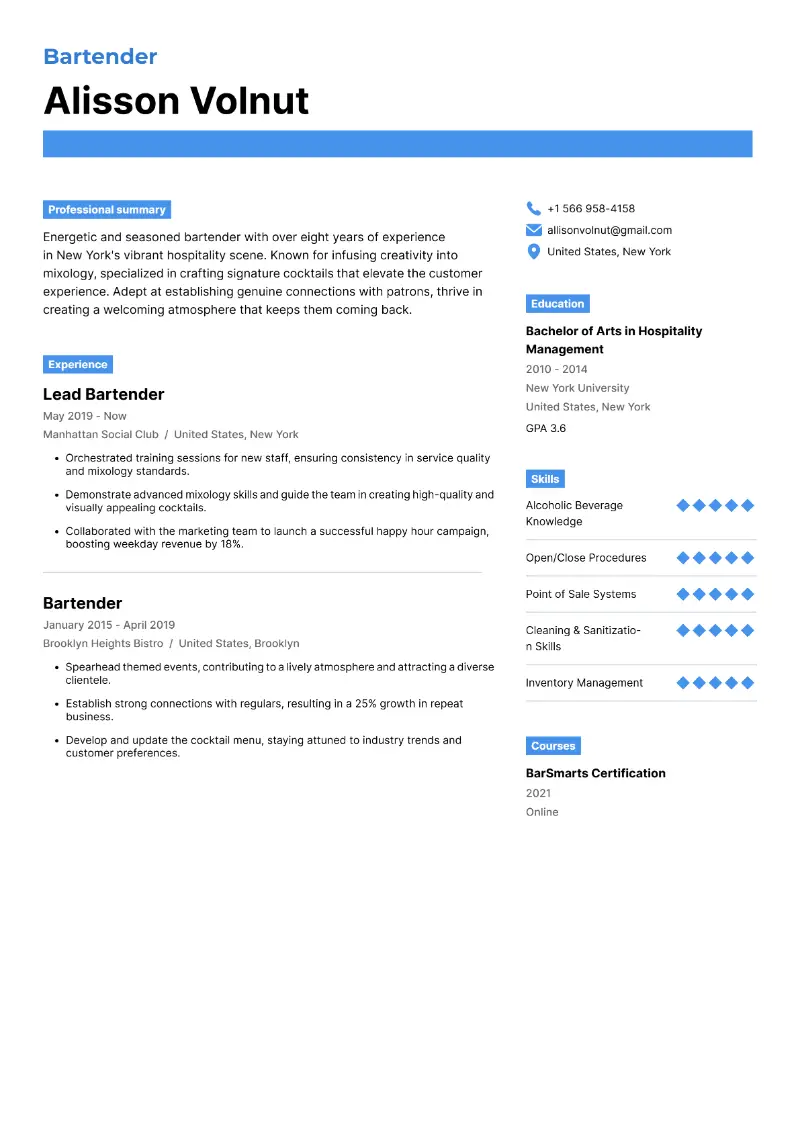
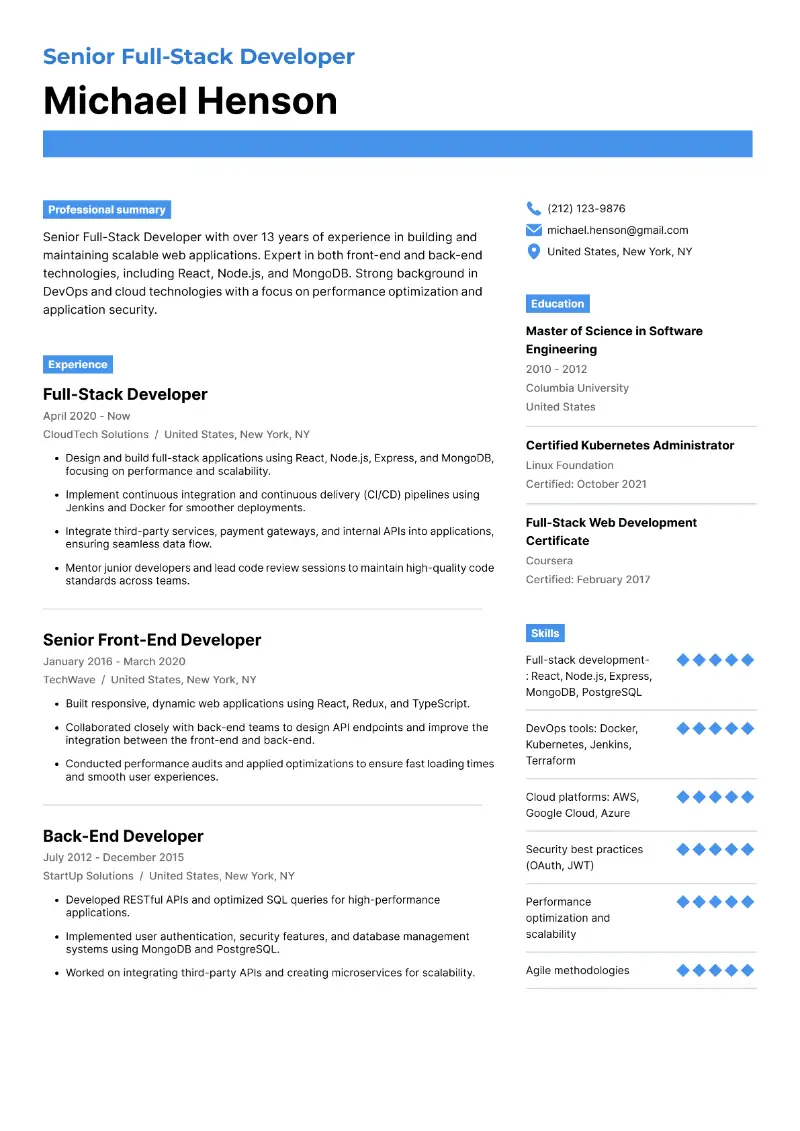
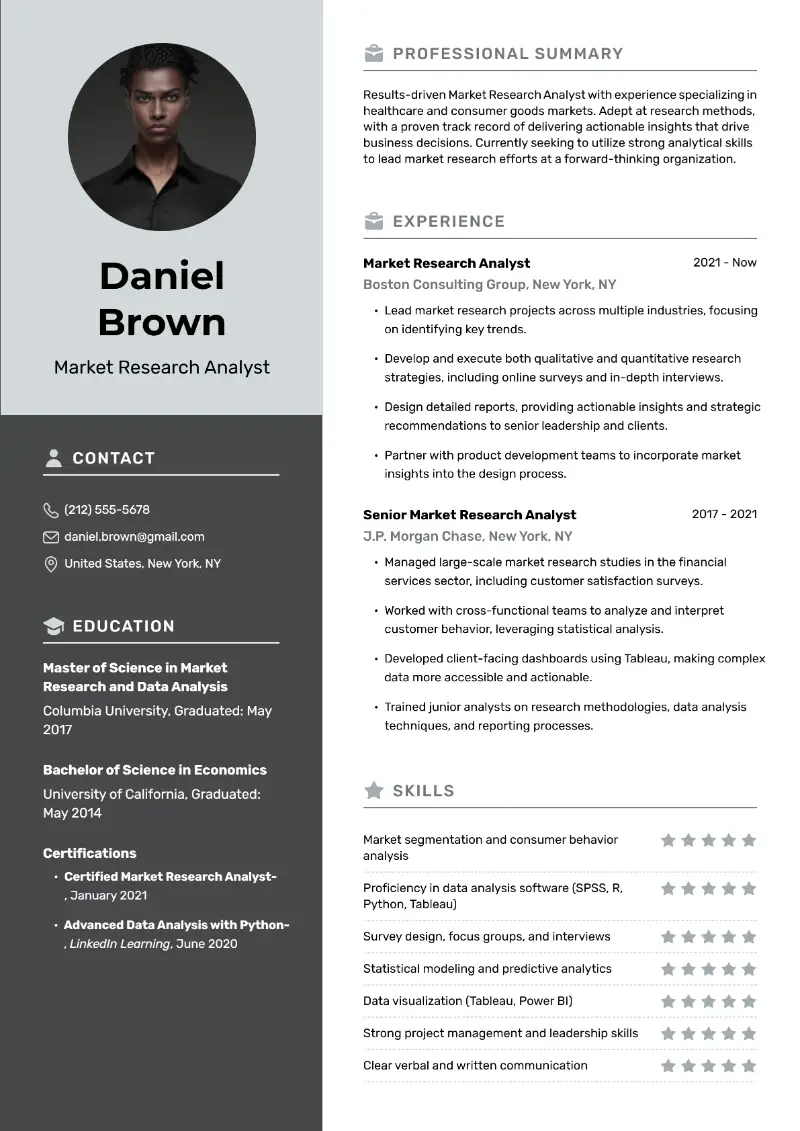
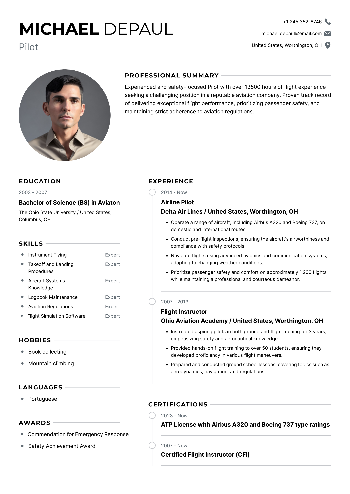
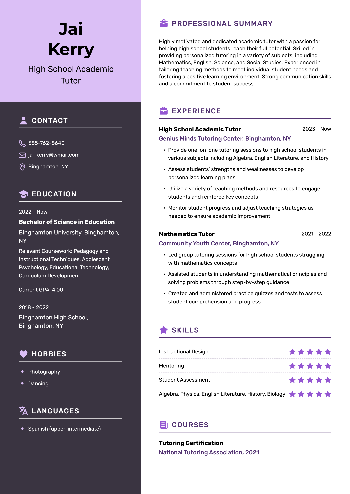
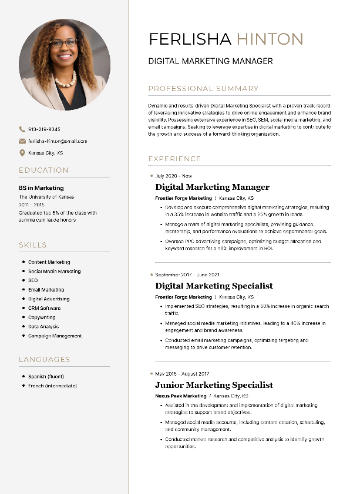
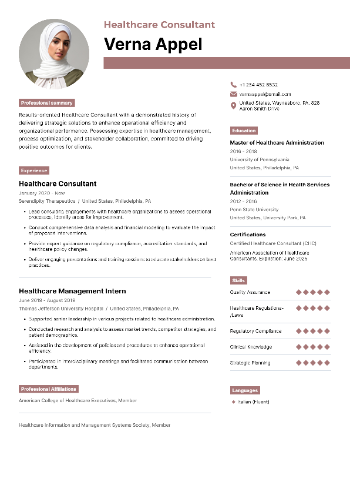
Examples of resumes that stand out:


Conclusion on how to make your resume stand out
A well-crafted resume is more than just a list of your qualifications — it’s a powerful marketing tool that can open doors to new opportunities.
By focusing on clarity, relevance, and showcasing your unique strengths, you can create a document that grabs attention and gets you noticed.
Remember, standing out isn’t about embellishing your experience but about presenting it in a compelling, clear, and concise way. With these tips in hand, you’re ready to make a lasting impression on any recruiter or hiring manager.
Create your professional Resume in 10 minutes for FREE
Build My Resume