 by
by Standing out in today’s job market? Yeah, it’s tough — everyone’s hustling for attention. One smart approach is to bring your core competencies front and center. I mean those particular skills and strengths that genuinely set you apart, not just the usual buzzwords that show up on every resume.
Think of them as the backbone of what you offer — qualities that consistently add value, no matter the position or company. They’re what make hiring managers pause for a second look, instead of just moving on to the next applicant.
And honestly, it doesn’t matter whether you’ve built up years of experience or you’re at the starting line. Knowing how to present these key core competencies effectively on your resume can make all the difference.
If you do it right, you’re not just another name in the pile — you actually leave a mark.
What are core competencies?
Core competencies—now there’s a phrase you’ll see everywhere in business circles.
Basically, these are the standout skills, knowledge, and abilities that set someone apart in their field.
It’s not just about what you know, but what you’ve actually mastered over time, usually by getting your hands dirty and learning from real life.
This idea comes straight out of the world of professional growth and company culture. Employers lean heavily to figure out who’s got real potential and who’s just skating by. They use these strengths as a kind of measuring stick to see who’s likely to make a real impact.
What I’ve noticed? The most successful folks aren’t just ticking boxes — they’re always sharpening those capacities, whether it’s through formal training or just diving into new challenges headfirst.
It’s those unique things, the ones you’ve built up and actually use, that can really propel your success forward.
Create your professional Resume in 10 minutes for FREE
Build My Resume
PM's MOSAIC studies identify critical competencies and tasks necessary for success in nearly 200 federal occupations. These studies provide a framework for understanding the mastery required across various roles.
Core competencies vs skills on resume
While both skills and core competencies matter for a resume, there’s a subtle distinction recruiters definitely notice.
Core competencies:
These reflect your standout strengths — shaped by your unique background and experience in your field. They’re broader, capturing your ability to shine in complex or high-pressure situations.
Think along the lines of project management, strategic planning, or conflict resolution — those things that set you apart when the stakes are high.
Skills:
These are more defined, task-based, and absolutely something you can pick up and improve over time.
They can range from technical capabilities, like being a pro with Excel, to more general talents, including typing speed or effective presenting.
| Aspect | Core Competencies | Skills |
|---|---|---|
| Purpose | To showcase areas of expertise that align with requirements, demonstrating a strong fit for core aspects of the role. | To call attention to capabilities and tech proficiencies that tie directly to daily tasks. |
| Placement | Presented in a resume summary or highlights — front and center — to make your alignment with the company’s needs unmistakable. | Generally listed under a Skills or Technical Skills section, and detailed within descriptions as well. |
| Scope | Covers bigger-picture qualities essential for excelling. | Narrow, focusing on precise tools, software, or methodologies needed for tasks. |
| Relevance | Directly related to the job’s essential functions and aligns with required qualifications. | Can be both related to tasks and additional skills that complement the resume core competencies. |
| Measurability | Not always easy to put a number on, but your achievements and successes can show them off | Easier to measure through certifications, specific project outcomes, or proficiency levels. |
| Example Statement | "Adept at cross-functional team leadership to drive successful project results." | "Proficient in using Tableau for data analysis and reporting." |
| Typical Candidates | Suited for professionals and posts requiring strategic or managerial competencies. | Relevant for all levels, especially those that require hard or operational skills. |
Highlighting these can give recruiters a better-rounded view of a candidate, showing not only what they can do but where they are most likely to excel.
Why core competencies are important for resume?
Including them on your application has several benefits:
- In a sea of applicants, spotlighting your core competencies can genuinely help you. They emphasize where an individual stands out and adds unique value.
- These often reveal your depth of expertise or any specialized knowledge you’ve picked up along the way. For positions that demand niche abilities, showing this off can make a real difference.
- Many core competencies are transferable across industries, such as leadership, communication, and adaptability. This flexibility is valuable for candidates looking to switch career fields or advance in their careers.
- Let’s face it: recruiters are busy. They’re skimming for specific aptitudes that match the job. Highlighting your suits makes it easy for them to see you’ve got what they’re seeking, and it can seriously boost your odds of getting noticed.
List of core competencies examples for resume
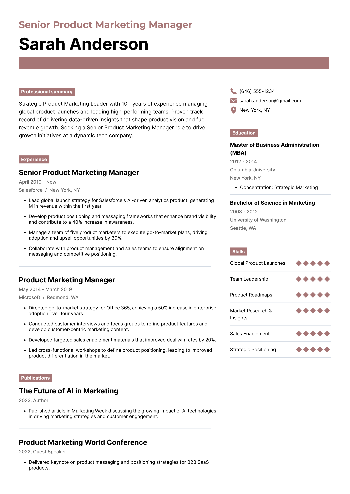
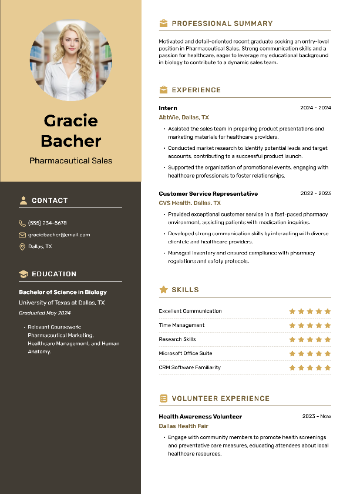
1. Sales & Marketing
- Customer Relationship Management (CRM). I have a good sense of CRM tools like Salesforce, HubSpot, and Zoho — keeping tabs on leads, cultivating real connections, and making sure folks stick around. Coming up with fresh ways to boost loyalty and keep clients happy. Satisfied customers? That’s my thing.
- Lead Generation & Conversion. Got a solid history of rolling out campaigns that actually get people engaged — seen conversion rates shoot up by as much as 30%. I’m into buyer psychology and love putting together targeted plans that move prospects through the funnel.
- Market Research & Analysis. I go beyond surface-level research — dig into markets, size up the competition, and pull insights from figures to shape smart marketing moves. I take pride in employing those findings to give products an edge.
- Digital Marketing. From SEO to PPC, social media, and content, I’ve spent over five years running campaigns that really boost online presence and get brands noticed. I like seeing the numbers climb.
- Sales Forecasting & Planning. I’ve built forecasts and sales plans that actually mean something and help drive revenue. Hitting (or beating) targets is pretty much standard for me, thanks to a good mix of data and sharp goals.
- Brand Management. Love making sure the firm’s voice is on point everywhere — across any channel. I keep the message true to the company vibe and make sure it clicks with the exact crowd.
- Strategic Partnerships. I’m quick to spot strong collaboration opportunities and enjoy forming partnerships that actually help the business grow.
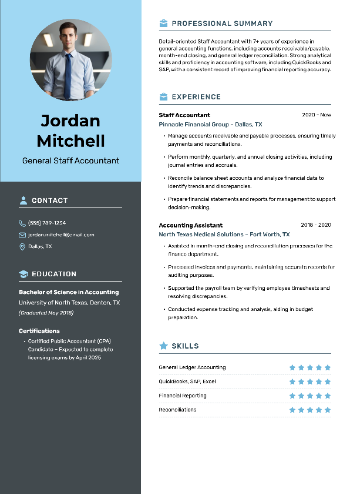
2. Finance & Accounting
- Financial Analysis & Reporting. I navigate well around financial models and whipping up reports that actually get noticed — think Excel, QuickBooks, SAP, the usual suspects. I don’t just dump numbers on a page; I give leadership the real deal — insights that help them steer the ship.
- Budgeting & Forecasting. I’ve set up and managed department budgets that stick within 5% of target — pretty tight ship if you ask me. I keep spending in check so the organization’s goals actually line up with the dollars.
- Risk Management. Not just spotting risks, but breaking down what they mean for the company and fortifying plans to dodge trouble. I’ve got a knack for keeping assets safe and profits rolling in, no drama.
- Tax Preparation & Compliance. GAAP, IFRS — I’m on it. I’ve handled tax filings and kept everything squeaky clean with the rules, so there are no unwanted surprises from the tax office.
- Cost Analysis & Reduction. I’ve pulled off projects that chopped operational costs by 15%, just by shaking up processes and keeping an eye on expenses. Always on the hunt for ways to save and run things smoother.
- Investment Strategies. Portfolio management, asset picking, risk checks — I’ve got experience making investment plans that bring in returns without going off the deep end.
- Cash Flow Management. I keep a close watch on cash coming and going, making sure there’s enough to keep things humming. I set up systems that keep working capital healthy and payments on track, so money worries don’t get in the way.
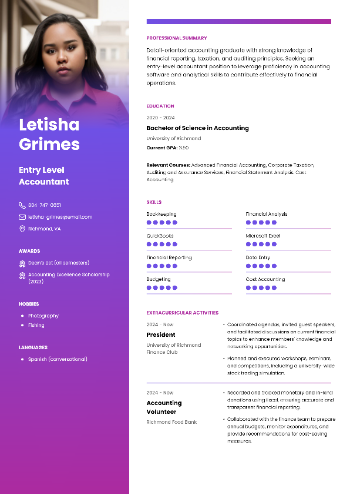
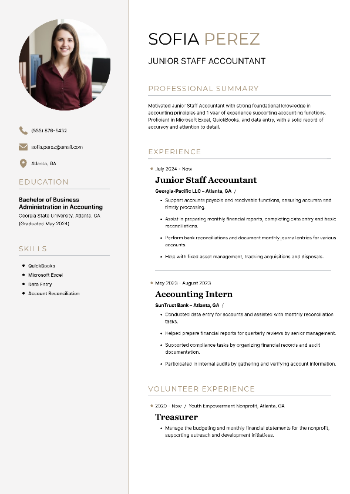
3. Human Resources
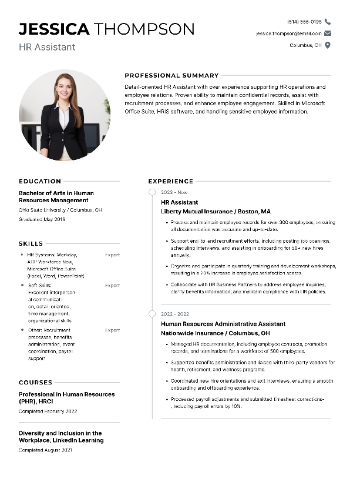
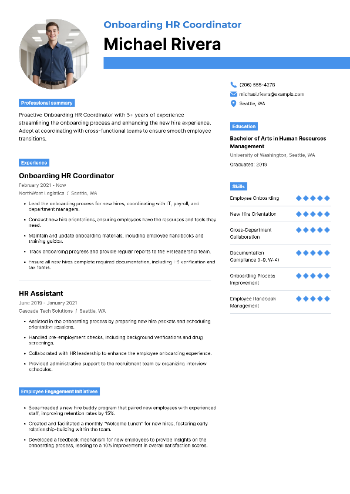
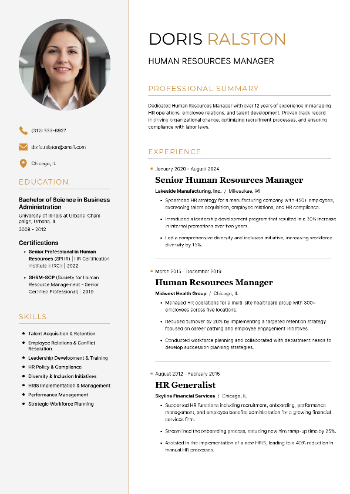
- Talent Acquisition & Recruitment. Rolled out smart sourcing and recruiting moves that chopped our time-to-hire by 25%. I’ve got a real eye for bringing in top talent and piecing together teams that fit right in with the company vibe.
- Employee Engagement. Came up with and led engagement efforts that really paid off — employee satisfaction and loyalty shot up, and our yearly survey scores improved by 20%. I genuinely care about shaping a workplace where people actually want to be.
- Performance Management. I’m all about using metrics to boost both individual and team output, making sure we’re moving in step with company goals. Not afraid to give real feedback — focused on helping people grow, not tearing them down.
- Training & Development. Designed and delivered training that actually made a difference — saw a 30% bump in team skills and abilities. I’m all in when it comes to helping folks learn and level up.
- HR Compliance & Policy Implementation. Keep our policies ties in with all the rules — local, state, federal, the whole deal. I’m on top of updating handbooks, driving audits, and confirming we’re not rolling the dice on compliance.
- Conflict Resolution. Pretty solid at diffusing workplace drama and getting people back on track. Known for keeping communication open and making sure the work environment doesn’t turn toxic.
- Organizational Development. Good at building out structures that can actually handle long-term growth and make things run smoother overall.
4. Information Technology (IT)
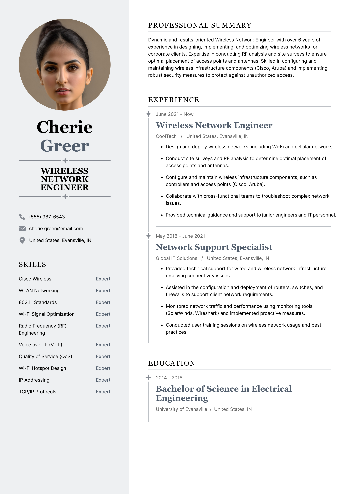
- Systems Administration. Loads of hands-on experience managing and fine-tuning Windows, Linux, plus cloud stuff like AWS and Azure. I’m known for rolling out smart fixes that keep things flowing smooth and locked-down — uptime and security are the names of the game.
- Network Security & Compliance. I’ve set up protection protocols, kept things in line with industry rules, and dodged a bunch of cyber headaches along the way.
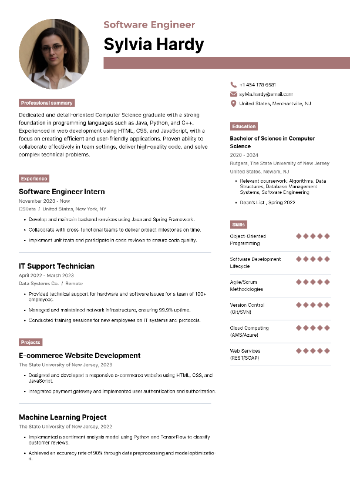
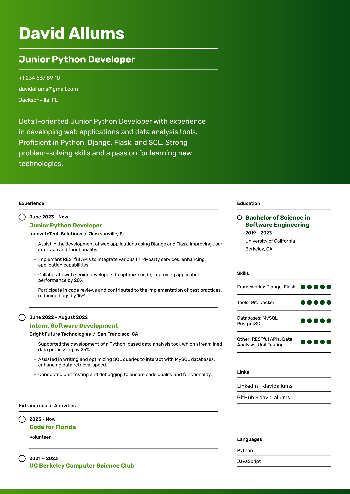
- Software Development. I code in Java, Python, and C++. My focus? Developing apps that actually scale and work well for real people, not just ticking boxes. Always aiming for top-tier quality and a better user experience.
- Project Management. Led cross-functional crews through tricky projects and got them wrapped up on time — about 95% success rate, not to brag. I stick to best practices but know how to keep things flexible when needed.
- Technical Troubleshooting. If there’s a glitch — hardware or software — I’m on it. Fast at sorting things out, even when the clock’s ticking. Known for staying calm and keeping everything trotting.
- Analysis & Database Management. I get along with SQL, NoSQL, and tools like Tableau or Power BI. Turning raw inputs into something useful? That’s my jam.
- Scalability. Built and tweaked IT setups to uphold growth. I can spot cost-effective ways to boost performance and make sure systems don’t buckle when things scale up.
5. Healthcare & Medical
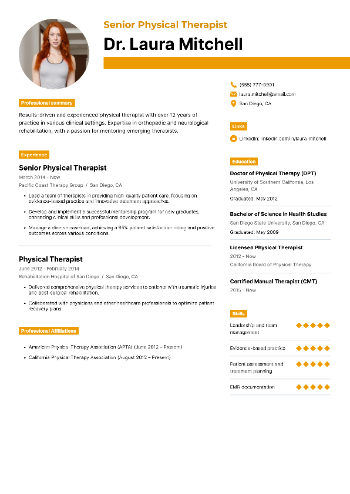
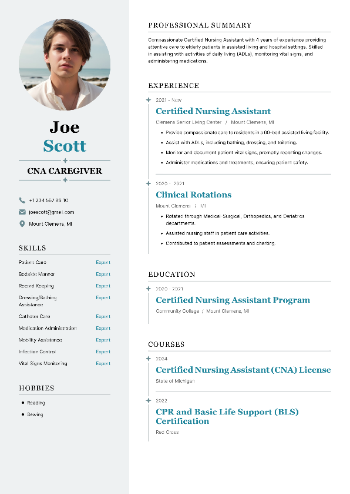
- Patient Care & Advocacy. I’m dedicated to real, patient-first care — more than just following a chart. Pushing for patient education, making sure folks know what’s up with their health. I stand up for my patients, making sure their voices don’t get lost in the shuffle and that they’re treated ideal.
- Clinical Procedures. Confident with the usual hands-on odds — IVs, catheters, cleaning wounds, you get the idea. I follow the protocols, but I never forget there’s a person on the other end of that procedure. Safety and comfort matter.
- Electronic Health Records (EHR). I’m comfortable working with Epic, Cerner, and whatever else is out there. Documentation isn’t just about filling in blanks — I make sure every detail counts.
- Medical Research & Analysis. I’ve rolled up my sleeves for clinical trials and projects, and I actually enjoy sifting through metrics. I keep up with the new studies so I’m not just going through the motions.
- Regulatory Compliance. I know my way around the rules — HIPAA, OSHA, Joint Commission. I keep things above board and focus on protecting both patients and team members.
- Crisis Management. Whether it’s handling emergencies or jumping into triage, I’ve been there, done that. Certified in BLS and ACLS, so I’m ready when things get wild.
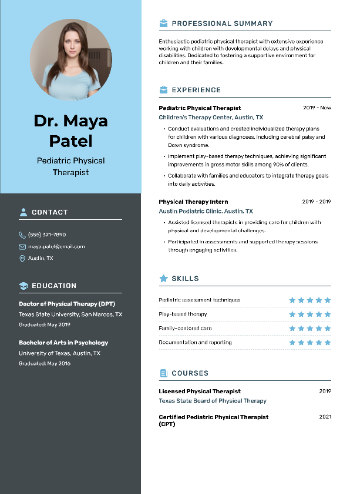
A survey by NACE reveals that employers prioritize competencies such as critical thinking, teamwork, and communication.
6. Customer Service & Support
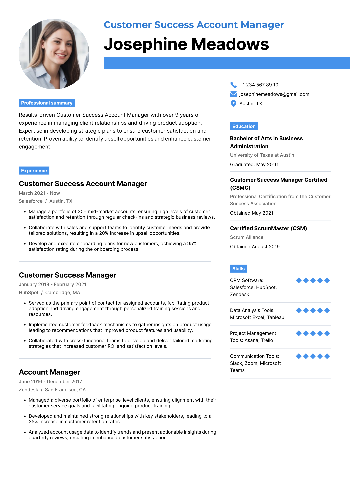
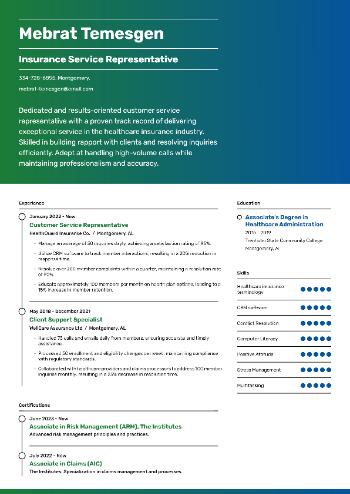
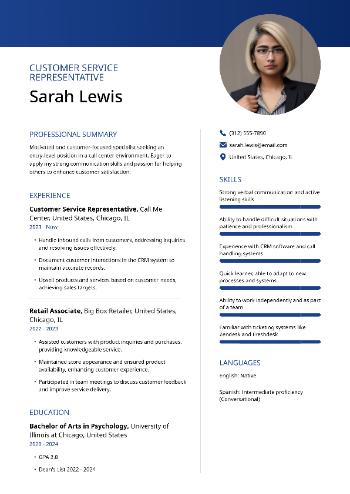
- Customer Relationship Management (CRM). I’ve spent countless hours in Zendesk, Freshdesk, you name it — handling loads of customer inquiries like it’s second nature. Looking for shortcuts to make workflows less of a headache, which means faster replies and happier customers.
- Problem Solving & Conflict Resolution. I’m committed to jumping in and fixing problems — most complaints get sorted the first time around. People end up satisfied, and they stick around because of it.
- Communication & Interpersonal Skills. I know how to maintain a professional yet human approach. Whether it’s over email, chat, or the phone, I assure customers actually feel listened to and understood.
- Product Knowledge & Upselling. I actually know the products inside-out, so when I suggest something, it’s genuine — none of that pushy sales vibe. That’s helped boost product adoption by quite a bit, honestly.
- Quality Assurance & Process Improvement. I came up with a quality check system that really kicked up our service standards. Keeping an eye out for ways to do things better and leave customers even happier.
- Multitasking & Time Management. Handling a pile of things at once? All in a day’s work for me. I’m good at sorting out what needs attention first and sustaining operational consistency.
- Interdisciplinary Collaboration. I’ve worked side-by-side with doctors, nurses, admin — pretty much everyone on the team — to make sure the care plans are in action and nothing falls through the cracks.
7. Project Management
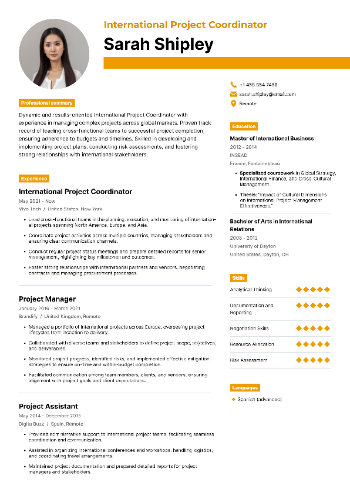
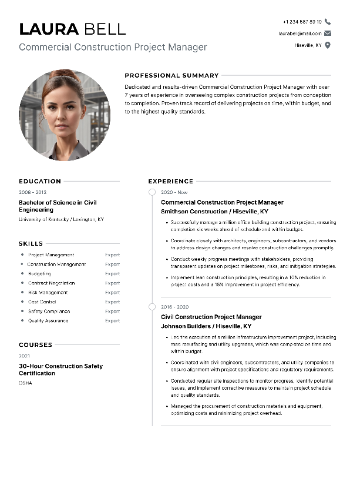
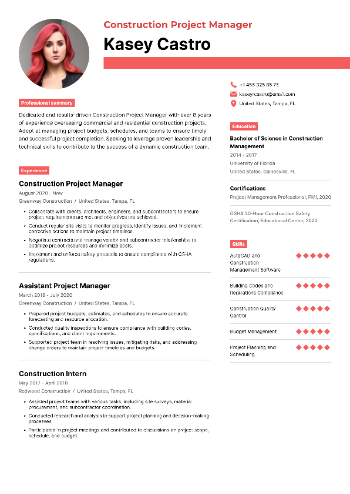
- Agile & Scrum Methodologies. Certified Scrum Master here, with lots of hands-on expertise leading agile teams, even when things get hectic. I’m known for keeping projects on track and delivering results that actually make clients smile.
- Risk Management. I’ve got a sharp eye for spotting risks early and figuring out how to avoid them. I know how to keep project goals protected and stop issues before they cause headaches.
- Resource Allocation. I’m all into getting the most out of what we’ve got. I make sure resources are used smartly so projects run smoother and budgets don’t get blown.
- Stakeholder Communication. I don’t just talk the talk — I keep everyone in the know and manage expectations, making teamwork a whole lot easier.
- Time Management & Scheduling. I’m pretty reliable when it comes to shaping schedules that actually work. Projects stay on track, and deadlines don’t get missed.
- Budget Management. I closely monitor budgets to guarantee that funds are spent wisely and that projects meet their financial targets.
- Change Management. Shifting project scopes? No problem. I help teams adjust and keep things moving forward, even when plans change.
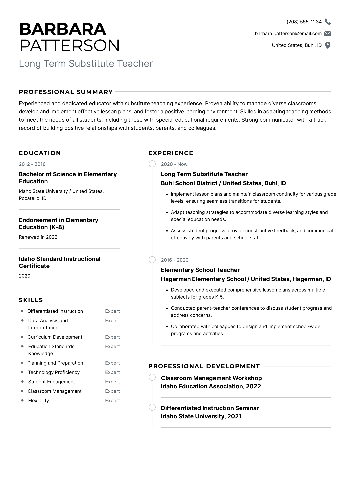
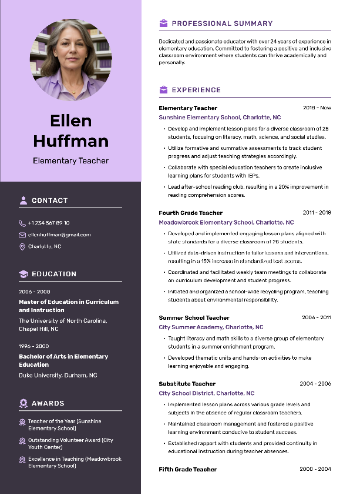
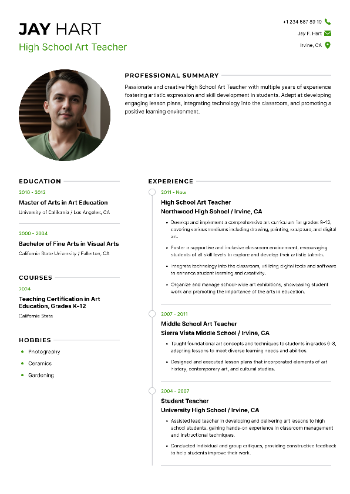
8. Education & Training
- Curriculum Development. I’ve designed all kinds of curriculum for K-12 and adults — making sure lessons are actually interesting and line up with what schools are after. Everything’s built around real outcomes you can measure, not just guesswork.
- Instructional Design. I’m skilled with Articulate, Adobe Captivate, and a bunch of other e-learning tools. My thing is building interactive courses that keep people interested and actually help them remember gear, especially online.
- Classroom Management. I’ve picked up a lot of strategies for keeping classrooms functioning smoothly. The goal? Positive vibes, less drama, and a space where everyone can actually focus.
- Assessment & Evaluation. Creating and grading assessments is right up my alley. I focus on figuring out what students really know, plus spotting what needs a little extra attention.
- Student Engagement. I use a ton of interactive methods to get students involved. Honestly, I want learning to be fun and something people actually look forward to, not just another chore.
- Counseling & Mentoring. I’ve spent a lot of time helping students with academic and career choices. I’m dedicated to supporting their growth — inside and outside the classroom.
- Coaching. I lead workshops and training sessions for teachers, sharing what works and helping others step up their teaching game. Mentoring colleagues is something I really enjoy.
9. Operations & Logistics
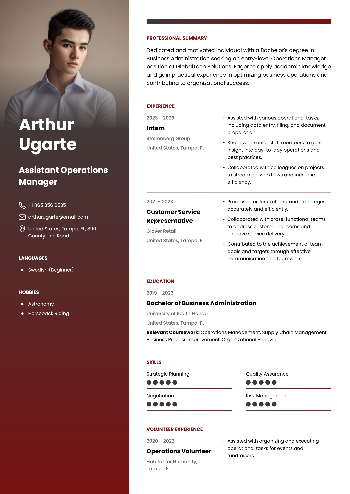
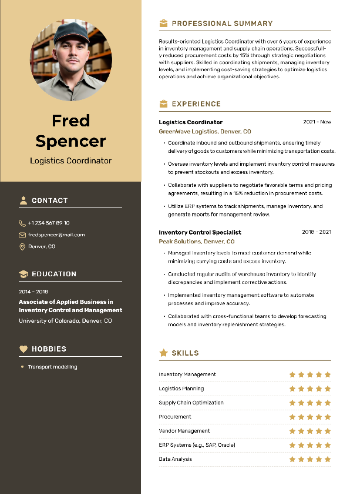
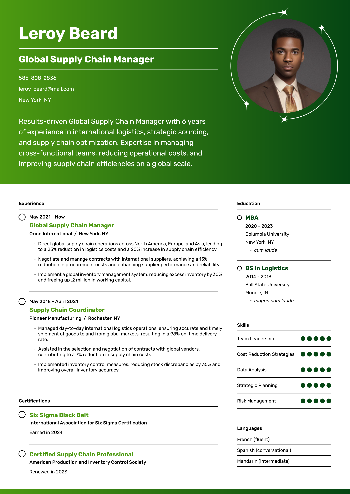
- Supply Chain Management. I’ve handled the whole supply chain, from hunting down materials to getting items out the door — cut wait times and kept things moving smoothly. Totally comfortable executing logistics from start to finish.
- Inventory Control & Management. Set up inventory systems that actually work — cut down on running out of stock by 20%, so things run better and customers stay happy.
- Process Improvement. Used Lean Six Sigma ideas to clean up operations, so everything runs quicker and saves money. Big boost to productivity, too.
- Vendor & Supplier Relations. Built solid ties with suppliers, so we get good-quality supplies for less money and avoid any headaches.
- Demand Forecasting. I can pretty much guess what’s needed before it’s needed — helped increase inventory turnover by 10% and kept stock on point.
- Logistics Coordination. Used to juggling tricky shipment plans, finding faster routes, and making sure deliveries land where they should.
- Cross-Functional Collaboration. Not a lone wolf — I work well with sales, production, and customer service to make sure everyone’s working toward the same goal.
10. Research & Development (R&D)
- Data Collection & Analysis. Pretty handy with SPSS and R — honestly, I dig collecting data, crunching stats, and figuring out what actually matters. I’m all about insights you can actually use, not just numbers for show.
- Product Development. Had a big hand in rolling out new products, taking them from rough vision to reality. I focus on what works and what people actually want, not just what looks good on paper.
- Technical Writing. Got experience turning complicated research into reports that don’t put people to sleep. I make sure findings are clear, straightforward, and easy for anyone to understand.
- Innovation & Problem Solving. I’m known for thinking outside the box and coming up with fixes that actually stick. My solutions have boosted product efficiency and saved costs — yeah, I love a good challenge.
- Regulatory Compliance. I always keep projects in line with the rules and ethics, so approvals go smoothly and we don’t hit any roadblocks.
- Collaboration & Cross-Functional Teamwork. Used to working with all sorts — engineers, designers, business types — to keep projects on track and spark some fresh proposals.
- Prototyping. Big on building and testing stuff, running experiments, and tweaking things based on what actually works. If something needs fixing or improving, I’m on it.
Create your professional Resume in 10 minutes for FREE
Build My ResumeConclusion
Highlighting key core competencies on your resume is an effective way to present employers why you’re an ideal candidate.
By identifying your unique skills and linking them to specific accomplishments, you demonstrate not only your qualifications but also your potential to contribute to the organization.
Tailoring these competencies to the role shows a deeper understanding of what the job entails and can significantly increase your chances of landing an interview.
So, take the time to assess your strengths, craft a clear presentation, and make your resume stand out from the crowd.