 by
by Landing a job offer? That’s huge. But before you dive in and start signing paperwork, slow down for a second. Now’s the time to gather as much information as possible and dig for details — make sure this job actually fits what you want.
Having the right questions to ask can provide insights into the company culture, expectations, and growth opportunities.
Let’s run through the must-raise questions for your new employer. These will help you figure out if this is the right move, not just for your career, but for your life.
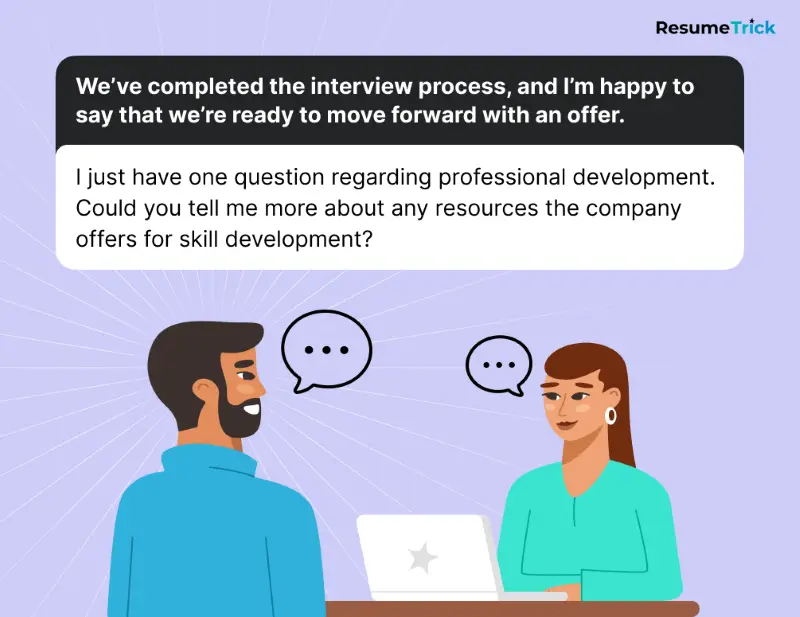
Role questions to ask when you get a job offer
- What’s a normal day actually like in this job?
- Getting a feel for the daily routine tells you if the chore matches your strengths and interests. You want a job that fits how you like to perform, right?
- What skills or qualities matter most for someone to thrive here?
- This one’s important. It shows you what the entity really wants from you. Plus, it points out where you might want to level up before you start.
- How does this job connect with other teams?
- You’ll want to know how much you’ll be working with other departments. It gives you a sense of how the operation’s set up and where you’d fit in the bigger picture.
- What challenges do people in this role usually run into?
- This question gets you ready for the bumps in the road and gives you a sense of what kind of support you’ll get. It’s a good way to see the job for what it really is — not just the highlights.
- Where’s the room for innovation or improvement here?
- If you’re someone who likes to shake things up or take charge, you’ll need to know about you have to get creative. This informs you whether the business endorses new ideas or prefers to play it safe.
- What tools and technologies will I need to use in this job?
- You deserve to know what you'll be dealing with on a regular basis. It’s a chance to see if you already know the ropes or if you’ll have to brush up on some computer skills.
- Are there chances to learn new skills or cross-train?
- This question shows if the organization cares about helping people grow and pick up new talents. It’s a big deal if you want to keep moving forward in your career and stay flexible on the job.
- How often do you do performance reviews for this job?
- It’s good to know how often you’ll get feedback and check-ins. Regular evaluations show you how you’re doing and give you chances to grow, get advice, and improve.
- What’s the usual career path for someone in this position?
- This tells you if there’s room to move up or develop in the venture — and if they really back your long-term goals.
- How does this role matter to the team or the startup as a whole?
- When you know how your work fits into the bigger picture, it’s a lot easier to feel motivated and find meaning in what you do.
- What kind of resources do you offer to help people succeed here?
- This query shows you care about doing well and want to know if the firm offers mentorship, training, or anything else to help you thrive. It also gives you a sense of how much they invest in their people.
Company culture questions to ask before accepting a job offer
- What are the core values of the organization?
- Figuring out the scale-up's core values and development goals displays you if their principles match what you prioritize. If they don’t, it’s tough to feel satisfied at vocation or like you really fit in.
- How does the company promote work-life balance?
- This one’s important. You wonder whether the corporation genuinely cares about its associates' lives outside of the office. If they do, you’ll probably feel better about your job and your day-to-day routine.
- What are the opportunities for social interactions among employees?
- Ask about team events, casual hangouts, or anything that gets people together. It's a sensible approach to gauge whether the atmosphere is friendly and if you'll enjoy spending time with your peers.
- How does the department handle conflict or disagreements within groups?
- This question gets right to the heart of how the startup deals with problems and communicates. The answer tells you a lot about what it’s really like to be there — whether people feel heard, and how teams work through tough spots together.
- Can you tell me what the leadership style is like here?
- Figuring this out gives you a sense of whether the vibe matches what you’re looking for — and honestly, if people actually feel inspired and supported.
- How does the venture embrace diversity and foster inclusion?
- This isn’t only about policies; it reveals if they genuinely care about building a place where different ideas and backgrounds matter.
- What does the organization do to help employees grow?
- When a place invests in helping people learn new things or move up, it demonstrates they’re serious about developing talent and opening up real career paths.
- How do teams make decisions around here?
- The way it works says a lot about whether people get to share ideas. That can have a huge effect on how much you enjoy coming to the office.
- How does the operation celebrate successes or milestones?
- Ask this to see how the crew cheers each other on. Do they throw parties? Give shoutouts? Maybe there’s a bonus or a lunch. You want to know if your wins and achievements will get noticed — and if you’ll feel good about your activity.
- What feedback mechanisms are in place?
- Get the inside scoop on how people share opinions. Are there regular check-ins, surveys, or an open-door vibe? You’ll get a sense of how the boss keeps conversations going, helps people grow, and deals with problems before they get big.
- How does the place support mental health and well-being?
- This is about more than perks. Does the establishment offer counseling or workshops? Maybe they make sure loads stay reasonable. Answers here outline to you if they really care about you — or if it’s a line in the handbook.
Development opportunities questions to ask before taking a job
- What types of onboarding and skill-building programs are available?
- Understanding the learning opportunities offered at the start gives insight into how the organization supports staff as they get up to speed and grow into their roles over time.
- Are mentorship initiatives part of culture?
- Having mentors often signals a collaborative environment where experience is shared and people are encouraged to study from one another, which can be valuable for long-term development.
- In what ways does the institution facilitate continuous enrichment?
- This question helps you gauge whether the employer invests in growth through courses, credentials, or other structured learning paths.
- What tools or opportunities exist for development?
- These might include certifications, online platforms, conferences, or seminars, all of which show how committed the venture is to learning.
- Is job shadowing encouraged?
- Exposure to different roles or departments can reveal whether the firm supports exploration beyond a single position and helps employees broaden their experience.
- How frequently are performance evaluations conducted?
- Regular, meaningful reviews can play a key role in shaping direction, especially when feedback is tied to development plans.
- What does advancement typically look like?
- Knowing the potential next steps helps you understand whether the role offers clear pathways for growth.
- Does the place support attendance at industry events?
- Encouragement to participate in external extracurriculars often reflects a desire to keep everyone informed and connected within their field.
- How is evaluation encouraged and applied?
- A workplace that values open input and improvement usually creates more room for adaptation and progress.
- Are there internal platforms or resources?
- Access to in-house training systems or knowledge libraries suggests the boss actively supports skill development rather than leaving people on their own.
- What possibilities exist to take on added responsibilities?
- For those aiming to grow, it’s helpful to know whether employees can lead initiatives, manage projects, or gradually step into leadership roles.
Compensation questions to ask before accepting a job offer
- What’s the base salary?
- You want to know the base salary upfront. It’s the starting point for figuring out if the job fits your financial goals and stacks up against what other companies pay.
- Are there performance bonuses or incentives with this role?
- Ask if you can earn more based on your performance. Extra bonuses and incentives can really boost your paycheck.
- How often do salary reviews happen?
- Find out how often you’ll get a shot at a raise. Regular salary reviews mean more chances to move up, and a clear process shows the company takes raises seriously.
- Are there opportunities for overtime or extra hours?
- Check if you can work overtime or pick up extra hours. If you’re up for it, this can bump up your earnings.
- What benefits come with the compensation package?
- Don’t just look at the salary. Ask about benefits — health insurance, retirement plans, maybe even some unique perks. These can make a big difference in your overall compensation.
- Is there a structured salary range?
- Knowing if there’s a set salary range gives you something solid to use when negotiating — and helps you know what to expect.
- How does the company handle raises and promotions?
- Find out how the startup approaches career growth and how your pay ties in with moving up. This tells you a lot about your long-term earning potential.
- Are stock options or equity part of the package?
- Having a stake in the entity’s success can pay off big in the long run.
- What’s the policy on paid time off and sick leave?
- Familiarize yourself with how much paid holiday and absence leave you are entitled to. These benefits matter for your balance and your bottom line.
- Which measures does the management take to nurture the fiscal welfare of its labor force?
- See if the venture offers help with financial wellness — things like resources, programs, or advice. It shows they care about your financial security, not just your work.
- Are there signing bonuses or relocation assistance?
- Ask if they offer any upfront cash or help with moving. Signing such support can make your transition a lot smoother.
Work-life balance job offer questions
- What are the firm's policies regarding flexible hours?
- Understanding flexible policies can help you assess whether the institution accommodates different schedules, which is important for maintaining a healthy balance.
- Is remote work an option for this position, either full-time or part-time?
- This question helps determine the level of flexibility you might have in terms of your location, which can greatly influence your work-life balance.
- How does the operation support employees in managing stress and avoiding burnout?
- Knowing what resources or programs are available for mental health and wellness can indicate how much the organization prioritizes well-being.
- Are there specific initiatives in place to promote work-life balance?
- This question reveals whether the company actively encourages to maintain a balance between vocation and personal life. This could be through wellness programs or time-off policies.
- What is the typical workload for someone in this role?
- Understanding this can help you gauge whether the demands of the job will allow for a reasonable balance between professional and personal responsibilities.
- How does the startup handle overtime or additional hours?
- Knowing the stance on overtime can provide insight into whether staff are expected to act beyond regular hours.
- Are there regular company-wide breaks or wellness days?
- This question helps you understand if the organization values time off for all, indicating a commitment to employee well-being.
- What is the management’s approach to ensuring crew takes allotted time off?
- Knowing how management encourages the use of vacation and personal days can reveal whether the business genuinely supports balance.
- Can you share examples?
- Asking for specific examples gives you a clearer picture of how current groups manage if the culture aligns with your expectations.
- How does the company communicate about workloads and deadlines?
- Understanding how the organization communicates about expectations can help you assess whether it fosters an environment of transparency and support.
- What options are available for parental leave or family-related time off?
- This question helps clarify the venture's policies on supporting employees through significant life events. This reflects the commitment to family-friendly practices and balance integration.
Final considerations
After you've asked all job offer questions, it's crucial to consider various factors that can significantly impact your career and personal life.
Location and commute
Consider the job’s location in relation to your current living situation. A long commute can affect your work-life balance and job satisfaction. For example, if the job is 45 minutes away by car, think about the impact on your daily routine.
Company stability
Research the organization's financial health and stability. Look for news articles or financial reports that indicate whether the organization is growing, stable, or facing challenges.
For instance, if the company has been involved in layoffs or restructuring, consider the implications for your role.
Negotiation possibilities
If there are aspects of the offer that you feel could be improved (e.g., salary, remote work options), consider whether the company is open to negotiations.
Job security
Finally, it’s important to understand the level of security associated with the role. Ask about how performance is measured, and the expectations for your success in the role. Is there a probationary period, and what are the metrics for the success?
A startup that has clear and realistic performance expectations is likely to offer a more secure and fulfilling experience.
FAQ
- How many questions to ask before accepting a job?
- Aim for 5-10 focused questions, ensuring you cover essential topics without overwhelming the interviewer or employer.
- What if I forget to interrogate a question?
- Follow up with an email. This shows your continued interest in the position and helps clarify any doubts.
- How can I gauge the employer's response to my questions?
- Pay attention to the tone, detail, and enthusiasm in their responses. A positive and informative reply usually indicates a healthy culture.
- Is it acceptable to ask about the turnover rate?
- Yes, inquiring about turnover can provide insight into satisfaction and venture culture. It’s one of the most important questions to appeal for before accepting a job to understand the stability.
- Are there any questions that are considered inappropriate to inquire?
- Avoid questions about topics like salary history, personal information unrelated to the job, or anything that may come across as discriminatory or intrusive.
Conclusion
Accepting an offer is more than just a decision based on salary and benefits; it’s about finding the right fit for the position for your career and life goals.
By preparing thoughtful questions to ask when offered a job about organization culture, expectations, and growth opportunities, you can make an informed decision that paves the way for a fulfilling career.
Remember, a job should not only provide a paycheck but also inspire and motivate you. Take the time to evaluate your options, and you’ll be better positioned to choose a role that resonates with your values and ambitions.
Create your professional Resume in 10 minutes for FREE
Build My Resume