 by
by Research skills on your resume really help you stand out in a crowded job search market.
Doesn’t matter if you’re chasing a role in research, marketing, or management — employers want people who know how to dig up information, pick it apart, and actually use it.
Let’s talk about why research skills matter so much when you’re job hunting, and how you can make them pop on your paper so recruiters notice you.
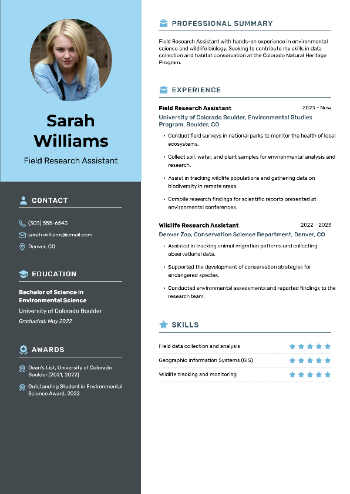
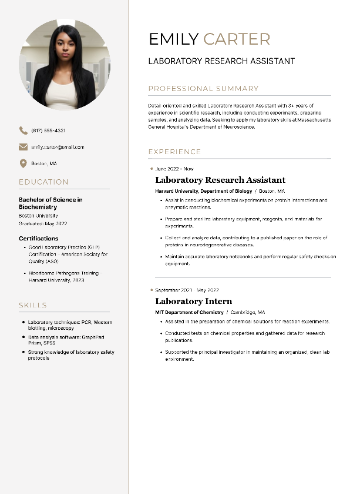
What are resume research skills?
Research skills refer to the abilities that allow an individual to effectively gather, analyze, and apply information to solve problems, make decisions, and drive outcomes.
These competencies let you utilize various tools and methods to collect data, judge if it’s any good, and then turn it into something beneficial or present it in a way that makes sense.
You need sharp critical thinking, an eye for detail, and the ability to pull together info from all kinds of sources.
Listing research skills on a resume is important to prove:
- Problem-Solving. Proves you know how to find the facts and tackle tough problems.
- Critical Thinking. Shows you can break things down, analyze, and make solid decisions.
- Proactivity. Tells employers you don’t just wait around — you find what you need and use it.
- Adaptability. Makes it clear you can pick up new info and roll with changes.
- Industry Knowledge. Shows you keep up with what’s going on in your field.
- Efficiency. Highlights your knack for finding and employing the right info to make things run smoother.
Create your professional Resume in 10 minutes for FREE
Build My Resume
Types of research skills for a resume
Data Collection Research Skills
- Survey Creation and Implementation. Build and share surveys to pull in data straight from people.
- Conducting Interviews and Focus Groups. Talk with individuals or groups to dig up real insights through guided conversations.
- Observation. Watch actions, events, or situations firsthand to gather raw information.
- Web-Based Research. Dive into online resources and digital tools to find the details that matter.
- Fieldwork. Head out into real-world or experimental settings to collect data up close and personal.
- Designing Questionnaires. Put together targeted questions that get to the heart of what you want to know.
- Extraction. Break down big datasets to spot important patterns and insights.
- Sampling Methods. Apply smart strategies — like random or stratified sampling — to pick groups that actually represent the whole picture.
- Archival Analysis. Dig through historical records and documents to uncover valuable information.
Data Analysis Research Skills
- Statistical Analysis. Use stats to spot hidden trends and make sense of the numbers.
- Data Visualization. Turn raw data into clear, eye-catching graphs, charts, or dashboards that help people act on the information.
- Data Cleaning. Hunt down and fix mistakes in the data to keep everything accurate.
- Predictive Modeling. Take what’s happened before and utilize it to predict what'll happen next.
- Trend Analysis. Dig through data over time to catch patterns or shifts that matter.
- Data Interpretation. Pull real meaning and insight from all the numbers — or even the messy, qualitative stuff.

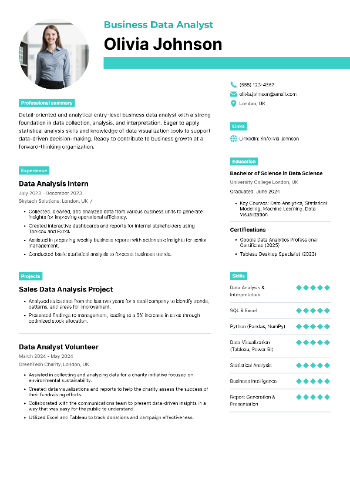
Critical Thinking Research Skills
- Problem Identification. Spotting the real issues or missing pieces in the information.
- Evaluation of Evidence. Judging how strong or trustworthy the data or arguments really are.
- Logical Reasoning. Using clear thinking to figure things out, weigh the facts, and make good calls.
- Recognizing Biases. Catching hidden assumptions or biases in data or arguments that might twist the results.
- Decision-Making. Leaning on solid evidence and careful analysis to land on smart decisions.
Problem-Solving Research Skills
- Root Analysis. Dig deep to figure out what’s really causing a problem, not just what’s on the surface.
- Solution Design. Turn research and insights into practical solutions that actually work.
- Creative Thinking. Come up with fresh, sometimes unexpected ideas to tackle tough challenges.
- Scenario Planning. Look ahead, imagine different outcomes, and map out strategies for each one.
- Risk Assessment. Size up the risks linked to each solution before jumping in.
Attention to Detail Research Skills
- Accuracy Verification. Double-checks facts, data, and reports so everything adds up the way it should.
- Error Detection. Spots mistakes or oddities in processes and fixes them before they turn into bigger problems.
- Consistency Checking. Compares results from different sources or methods to keep everything in sync.
- Thoroughness. Reviews every piece of work from top to bottom, making sure nothing gets missed and all the details are recorded.
- Focus on Specifics. Zeros in on the little things — the details that, if overlooked, can throw off the whole outcome.
Technical Research Skills
- Tool Proficiency. Confident with advanced research instruments — think SPSS, Excel, Python, and more. Knows how to dig in and get answers.
- Database Management. Handles big databases with ease, pulling out what matters, fast.
- Coding and Scripting. Writes scripts and code to wrangle data or spot trends that matter.
- Technological Adaptability. Picks up new tech fast and runs with it, always ready to apply the latest utensils for research.
- Software Utilization. Gets the most out of specialized research software to make sense of complicated data.
Synthesis Research Skills
- Integrating Information. Pulling together insights from different sources to get the full picture.
- Conceptual Mapping. Laying out ideas visually, making it easier to see how everything connects.
- Cross-Disciplinary Analysis. Taking knowledge from different fields to tackle tricky problems.
- Pattern Recognition. Spotting trends and links in all kinds of data.
- Summarizing Findings. Turning complex details into clear, useful takeaways.
How to list research skills on a resume?
1. Include Them in Skills
List relevant research abilities in a dedicated resume section, ensuring they align with the job description.
For example:
- Data Collection & Analysis
- Critical Thinking
- Market Research
- Statistical Analysis
- Problem-Solving
2. Showcase Them in the Experience Section
Demonstrate resume research skills by providing concrete examples of how you applied them in previous roles. Use action verbs and quantifiable results where possible.
Market Research Analyst | Nielsen | London, UK | 2021–Present
- Conduct in-depth consumer research, leading to a 20% increase in targeted advertising effectiveness.
- Analyze customer behavior data to optimize product strategies, improving retention rates by 15%.
Data Analyst | IBM | New York, USA | 2019–2021
- Compiled and evaluated large datasets to identify key business insights, resulting in a 10% increase in operational efficiency.
- Developed predictive models that improved forecasting accuracy for sales trends.
3. Highlight Them in the Opening Statement
Start your application with a strong summary or objective that briefly mentions your research expertise. Example:
"Detail-oriented data analyst with expertise in research, statistical analysis, and problem-solving to drive strategic decision-making. Proven ability to collect and interpret complex data for actionable insights."
4. Add Research-Related Accomplishments
If applicable, include a separate "Achievements" or "Projects" section to highlight major research contributions, such as published studies, case studies, or impactful reports.
Published Research: "Consumer Trends in E-Commerce Post-Pandemic"
- Conducted a study analyzing survey data from 10,000 respondents across the US and UK, published in the Harvard Business Review.
5. Incorporate Them in the Education Section
For recent graduates or academic professionals, mention research-intensive coursework, thesis projects, or assistant roles that involved significant research.
Master’s Thesis: "The Impact of Social Media on Buying Behavior" | University of Toronto | 2022
- Designed and conducted a quantitative study using survey analysis and statistical modeling.
Create your professional Resume in 10 minutes for FREE
Build My ResumeExamples of research skills on resume
Research Analyst:
Johnathan Reynolds
New York, NY | johnathan.reynolds@email.com | (555) 987-6543 | LinkedIn: /in/johnathanreynolds
Professional Summary
Detail-oriented researcher with a knack for digging into data and turning numbers into clear, useful stories. Brings hands-on experience with both independent and team-driven research, blending academic and corporate work. Comfortable with complex datasets and statistical tools, and likes to keep things actionable — whether that’s writing up findings or walking teams through what the numbers really mean.
Education
Columbia University – New York, NY
Master of Science in Data Analytics, 2021University of Chicago – Chicago, IL
Bachelor of Arts in Political Science, 2018Research Experience
Research Analyst
Brooklyn Policy Institute – Brooklyn, NY | June 2021 – Present
- Dive deep into public policy issues, tracking trends and crunching numbers to back up legislative recommendations.
- Use Python, R, and Excel daily to analyze and visualize hefty datasets.
- Work closely with other analysts to build policy briefs and white papers for government and nonprofit clients.
- Present findings to stakeholders, breaking down the data so it drives real decisions.
- Lead data collection on a large scale, keeping things accurate and consistent across the board.
- Build econometric models to measure the impact of policies and predict what’s coming next.
Graduate Research Assistant
Columbia University – New York, NY | September 2019 – May 2021
- Helped design and run research projects on urban development and economic policy.
- Dug into literature reviews, gathered data from all sorts of sources, and pulled everything together into clear reports.
- Created predictive models with machine learning to break down housing market trends.
- Co-authored published research and shared work at national conferences.
- Built interactive Tableau dashboards so research insights actually jump off the page.
Research Intern
Randall & Cohen Consulting – Washington, D.C. | Summer 2017
- Backed up senior consultants with market research for government and private clients.
- Collected and analyzed data to see how economic policies played out in the real world.
- Turned research findings into sharp, visual presentations for client meetings.
- Helped write up reports, boiling down the big takeaways for busy clients.
Skills
- Research & Analysis: Qualitative and quantitative analysis, literature reviews, case studies, surveys
- Data Analysis & Visualization: Python, R, SQL, SPSS, Stata, Tableau, Power BI, Excel
- Machine Learning & Statistics: Predictive modeling, regression analysis, clustering, time series analysis
- Writing & Communication: Academic papers, reports, policy briefs, presentations, grant writing
- Project Management: Data collection, research design, stakeholder engagement, workflow optimization
- Software & Tools: LaTeX, Microsoft Office Suite, Google Workspace, GitHub
Publications & Presentations
- Reynolds, J., & Smith, L. (2023). The Role of Data Analytics in Urban Policy Development. Journal of Public Policy Research.
- “Predicting Housing Market Trends with Machine Learning” – Presented at the American Economic Association Conference, 2022.
- “Public Sentiment Analysis in Policy Research” – Guest Lecture at Columbia University, 2021.
Conclusion
Incorporating strong research skills for your resume can significantly enhance your employability and make your application stand out.
By showcasing your ability to analyze data, solve problems, and do informed decisions, you position yourself as a valuable asset to potential employers.
Ensure to tailor these skills to the specific role you're applying for, and you’ll be one step closer to landing that job.