 by
by Upskilling and reskilling examples are essential for anyone looking to stand out and stay competitive in today’s rapidly changing market.
As industries evolve and new technologies emerge, the ability to learn new competencies or improve existing ones can make a significant difference in career progression and job security.
This article explores practical upskilling and reskilling programs across various fields, helping you understand how to effectively adapt to future opportunities.
What is upskilling and reskilling?
In today’s fast-paced market, staying ahead means continually renewing your abilities.
But what’s the difference between upskilling and reskilling — and when should you focus on one over the other? Let’s break it down.
- What is upskilling?
- This refers to the process of getting new knowledge or deepening existing ones within your current profession. It’s about enhancing your expertise to perform better, take on more responsibilities, or stay updated with industry changes.
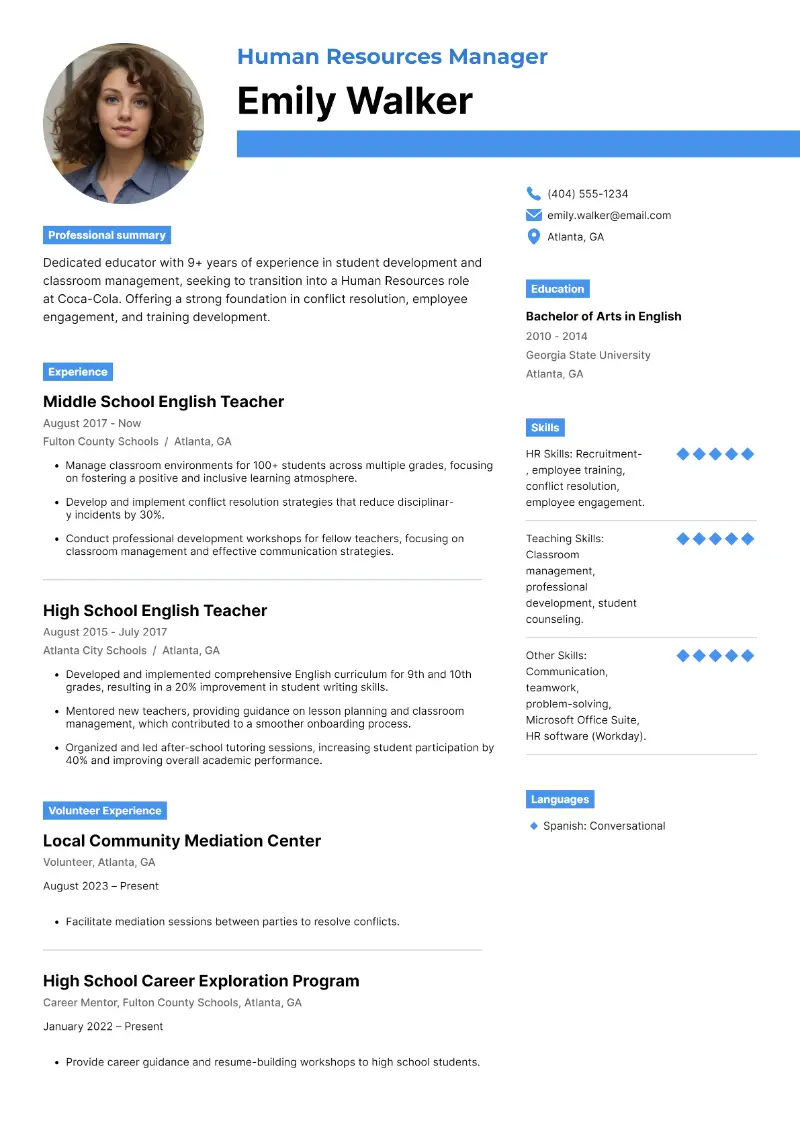
A marketing specialist mastering data analytics to improve campaign performance.
Upskilling often involves:
- Learning new technologies or tools related to your field
- Developing soft skills like leadership and communication
- What is reskilling?
- This means acquiring entirely new abilities to switch roles, often in response to evolving demands or job displacement.
A retail worker learning programming to transition into software development.
Common reskilling activities are:
- Enrolling in vocational training programs
- Pursuing certifications for a new profession
- Participating in company-led retraining initiatives
Upskilling vs Reskilling
| Aspect | Upskilling | Reskilling |
|---|---|---|
| Purpose | Enhance for current job | Learn something new for a different field |
| Focus | Deepening expertise | Changing career path |
| Who needs it | Employees aiming for growth within their role | Individuals shifting professions |
| Common methods | Workshops, certifications, advanced training | Bootcamps, vocational courses, degree programs |
Consider upskilling companies if:
- You want to stay competitive
- New tools or technologies require mastery
- You aim for promotion or expanded responsibilities
Opt for reskilling programs when:
- Your current position is becoming obsolete
- You’re interested in switching to another path
- Market trends suggest better opportunities elsewhere
Create your professional Resume in 10 minutes for FREE
Build My Resume
Top upskilling examples
Below are some powerful examples of upskilling that can elevate your expertise and make you indispensable in today’s workforce.
1. Mastering Digital Literacy
In every industry, hard skills are a must. From basic software proficiency to advanced programming, these unlock new career opportunities.
- Coding and programming languages like Python, JavaScript, or SQL
- Data analysis tools such as Excel, Tableau, or Power BI
- Techniques including SEO, social media management, and email marketing
- Cloud computing platforms like AWS or Microsoft Azure
- Cybersecurity fundamentals to protect company data and prevent breaches
- Customer Relationship Management (CRM) software such as Salesforce or HubSpot
- Search Engine Optimization (SEO) and digital marketing tools (Google Analytics, AdWords)
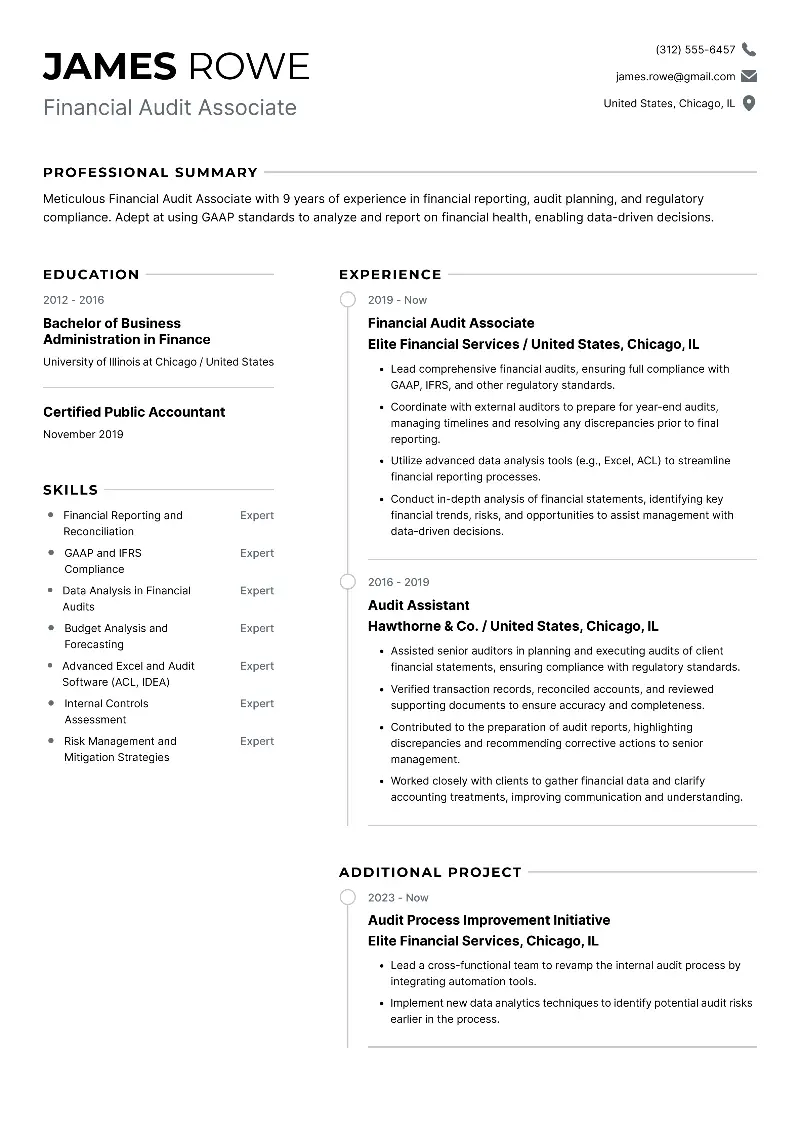
A financial analyst learning Python to automate data reporting improves efficiency and becomes more valuable to the team.
2. Strengthening Interpersonal Abilities
While technical skills are vital, soft competencies often determine long-term effectiveness. These qualities enhance collaboration and enable better handling of dynamics.
- Clear and concise communication for coordination and presentations
- Emotional awareness to manage relationships and workplace emotions
- Efficient time allocation to meet goals and deadlines
- Techniques for resolving disputes and fostering harmony
- Analytical thinking for approaching challenges strategically
- Flexibility to adapt to shifting priorities and environments
- Leadership aptitude for guiding teams and managing projects
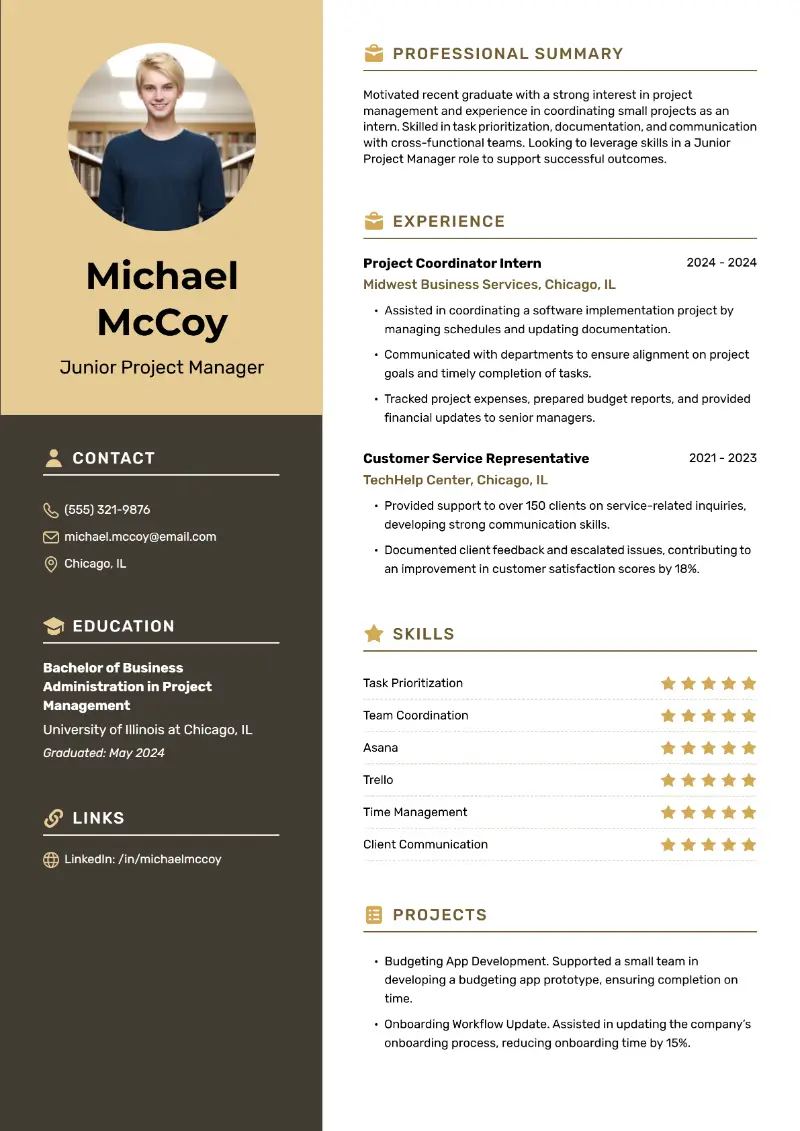
A project manager refining communication leads to improved cross-departmental cooperation and accelerated project completion.
3. Acquiring Role-Specific Expertise
Every occupation demands a unique set of technical proficiencies that evolve with industry advancements. Staying current with these tools ensures sustained competitiveness.
- Medical personnel mastering telehealth platforms and electronic health record systems
- Factory operators learning about robotics and automated machinery
- Finance professionals exploring blockchain technology and financial software
- Educators utilizing digital classrooms and interactive learning applications
- Engineers working with CAD and simulation programs for design accuracy
- Legal practitioners employing specialized software for case management
A nurse adopting telemedicine solutions broadens patient reach and enhances healthcare delivery.
4. Securing Professional Certifications
Credentials provide tangible evidence of your qualifications and can lead to career growth and improved compensation. Recognized certifications hold significant weight across fields.
- Project Management Professional (PMP)
- Certified Information Systems Security Professional (CISSP)
- Google Analytics and Google Ads credentials
- Six Sigma Green or Black Belt
- Certified Public Accountant (CPA)
- AWS Certified Solutions Architect
- Certified ScrumMaster (CSM)
An IT professional earning the CISSP credential gains recognition and advances to oversee key cybersecurity projects.
5. Developing Analytical Thinking
Analytical skills enable specialists to break down complex problems and make informed decisions. These are crucial for innovation and strategic planning.
- Data interpretation to uncover trends and inform strategy
- Problem-solving frameworks such as root cause analysis
- Critical evaluation of business processes and performance metrics
- Scenario planning and forecasting for future outcomes
- Using logic models to connect causes and effects
- Applying statistical methods to test hypotheses
A business analyst improving data interpretation methods helps identify cost-saving opportunities that increase profitability.
6. Enhancing Project Management
Project management expertise boosts efficiency by organizing resources, timelines, and teams to achieve objectives successfully.
- Scheduling techniques like Gantt charts and Agile sprints
- Risk management strategies to mitigate potential issues
- Budgeting and cost control for projects of varying scales
- Stakeholder communication and reporting best practices
- Resource allocation to maximize productivity
- Quality assurance processes to meet standards
A marketing coordinator learning Agile methodologies accelerates campaign launches and improves collaboration.
7. Building Language Proficiency
These expand career possibilities by enabling communication across borders, improving client relations, and opening new markets.
- Learning a second language relevant to your industry or region
- Mastering professional jargon and cultural nuances
- Improving public speaking and negotiation in a foreign language
- Utilizing language apps and immersive learning platforms
- Certification in language proficiency exams (e.g., TOEFL, DELE)
A sales executive gaining fluency in Spanish increases customer base and secures deals in Latin America.
8. Advancing Creative Problem Solving
Creativity is not just for artists—innovative thinking drives competitive advantage and effective solutions in any role.
- Brainstorming techniques to generate new ideas
- Design thinking for user-centered solutions
- Lateral thinking exercises to approach problems differently
- Collaborative workshops to foster innovation
- Applying storytelling to present ideas convincingly
A product designer adopting design thinking principles develops user-friendly features that boost customer satisfaction.
Best reskilling examples
Switching career paths or adapting to new roles requires focused retraining. Here are key instances where acquiring fresh competencies can unlock opportunities and sustain employability.
1. Mastering Sector-Specific Software
Entering a different profession usually involves learning specialized digital tools essential for the new environment.
- Familiarizing with helpdesk platforms like Zendesk or Freshdesk for customer service
- Navigating supply chain applications such as SAP or Oracle
- Training on accounting systems like QuickBooks or SAP FICO
- Exploring graphic design software such as Adobe Photoshop or Sketch
- Utilizing human resources management tools like Workday or BambooHR
- Operating construction project platforms like Procore or Buildertrend
A retail clerk learning SAP gains skills needed to manage logistics operations, enabling a smooth transition.
2. Enhancing Personal Competencies
Interpersonal skills often shift in importance depending on the workplace. Adjusting communication and organizational abilities facilitates success in unfamiliar positions.
- Cultivating effective intercultural communication for diverse teams
- Improving listening and empathy for client-focused roles
- Developing conflict management techniques suited to new organizational settings
- Adapting time management to different workflows
- Building teamwork skills for remote or hybrid environments
- Strengthening leadership capabilities for managing dispersed groups
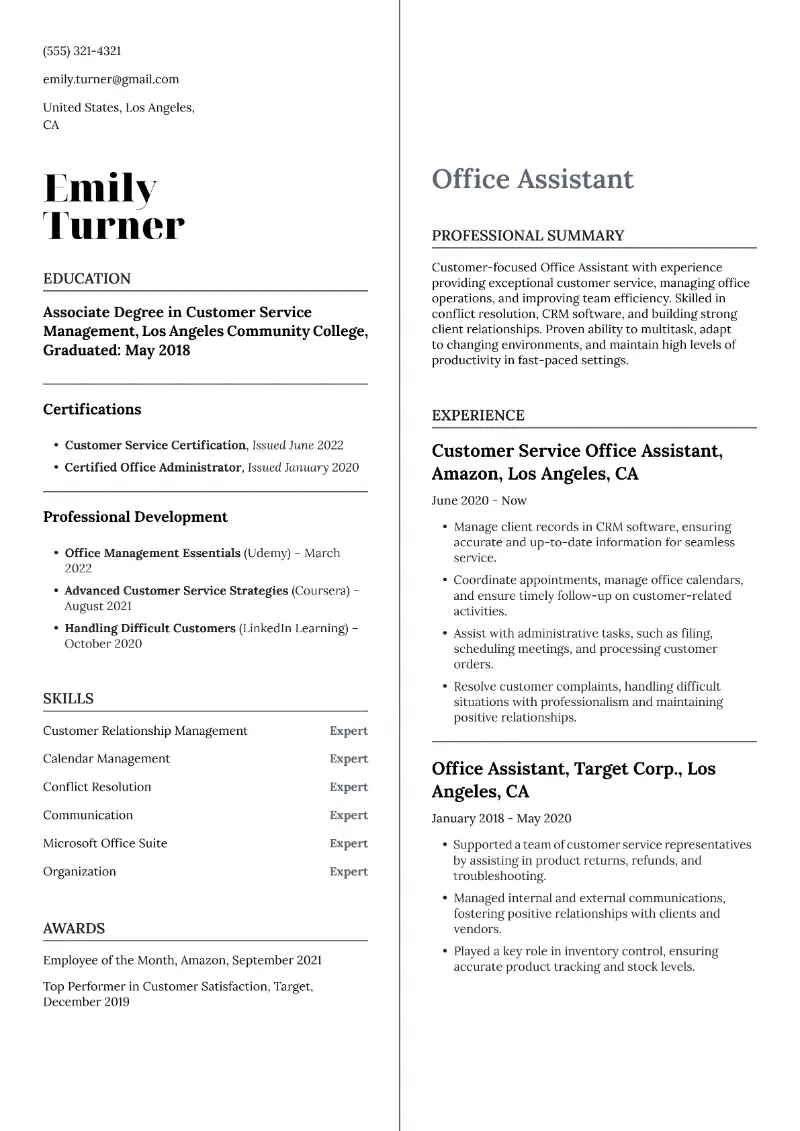
An office assistant refining empathy and stakeholder interaction transitions successfully into nonprofit program coordination.
3. Gaining Knowledge in Cutting-Edge Technologies
Joining innovative industries demands acquiring proficiency in emerging technological fields reshaping markets.
- Studying fundamentals of artificial intelligence and machine learning
- Exploring blockchain uses in finance and logistics
- Learning renewable energy technologies such as solar power installation
- Understanding Internet of Things (IoT) applications in automation
- Training on virtual and augmented reality development
- Getting acquainted with 3D printing and additive manufacturing methods
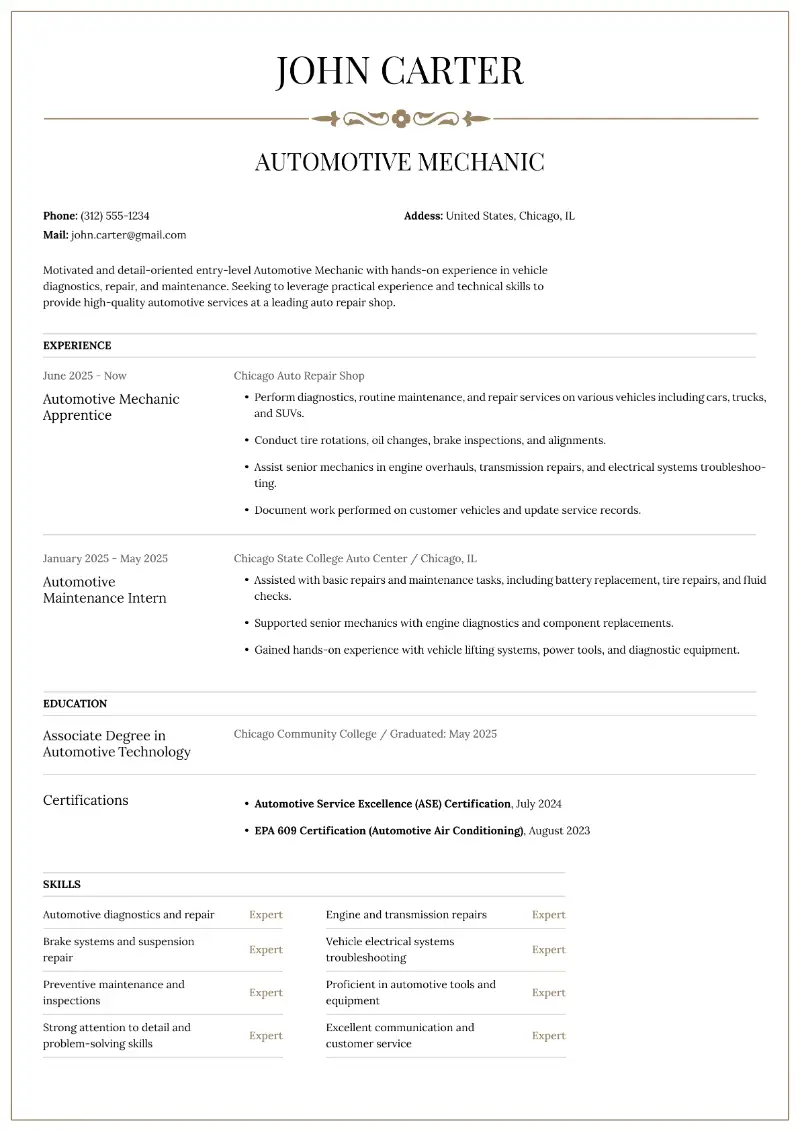
A mechanic trained in solar installations expands career options within the sustainable energy sector.
4. Obtaining Credentials in New Domains
Education offers credible proof of newly acquired expertise, smoothing entry into unfamiliar careers.
- Certified Nursing Assistant (CNA) for those shifting to healthcare
- Google IT Support Professional Certificate for tech industry newcomers
- Commercial Driver’s License (CDL) for transport and logistics roles
- Certified Digital Marketing Professional (CDMP) for marketing sector entry
- Real Estate License for property sales and management careers
- Lean Six Sigma for quality improvement positions in various industries
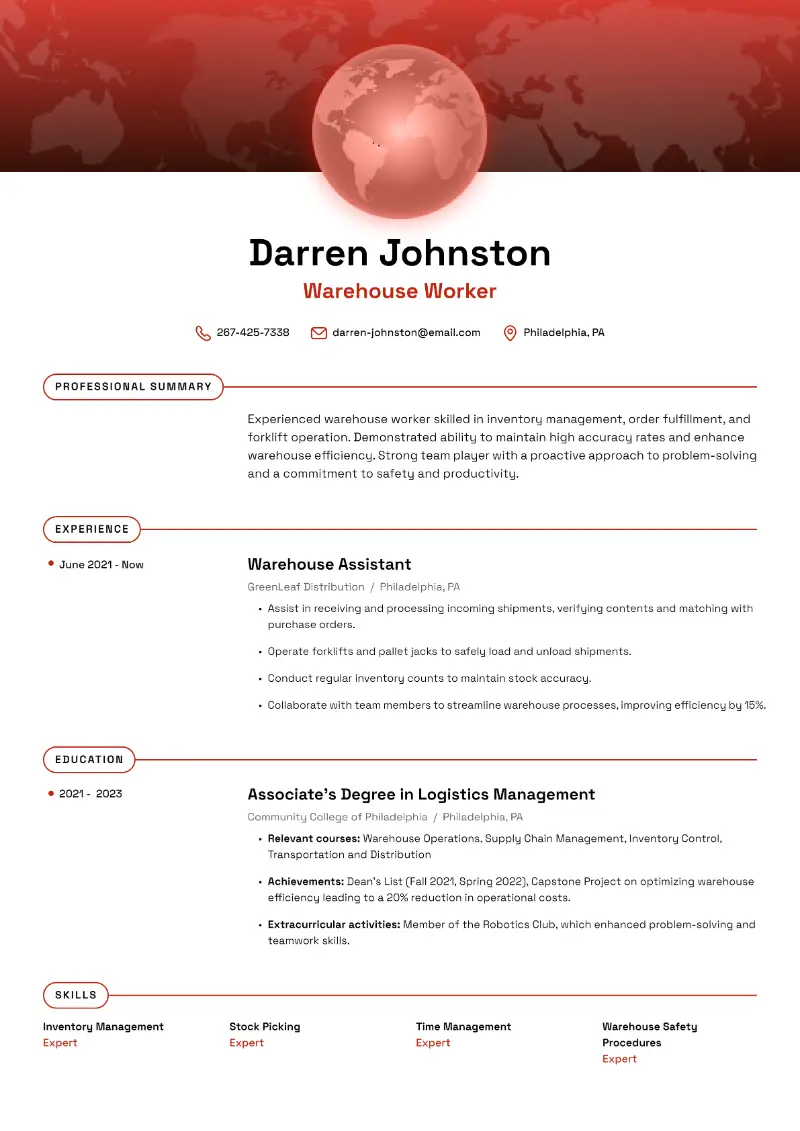
A warehouse employee earning a CDL transitions into professional driving with enhanced job prospects.
5. Adopting New Analytical Techniques
Learning different ways to evaluate data or situations empowers professionals to thrive in diverse fields.
- Utilizing statistical software like SPSS or R in social research or healthcare
- Practicing financial modeling for roles in banking or investments
- Conducting market research for consumer behavior insights
- Applying risk assessment in insurance or regulatory compliance
- Using geographic information systems (GIS) for planning or environmental work
- Performing sentiment analysis to improve customer relations
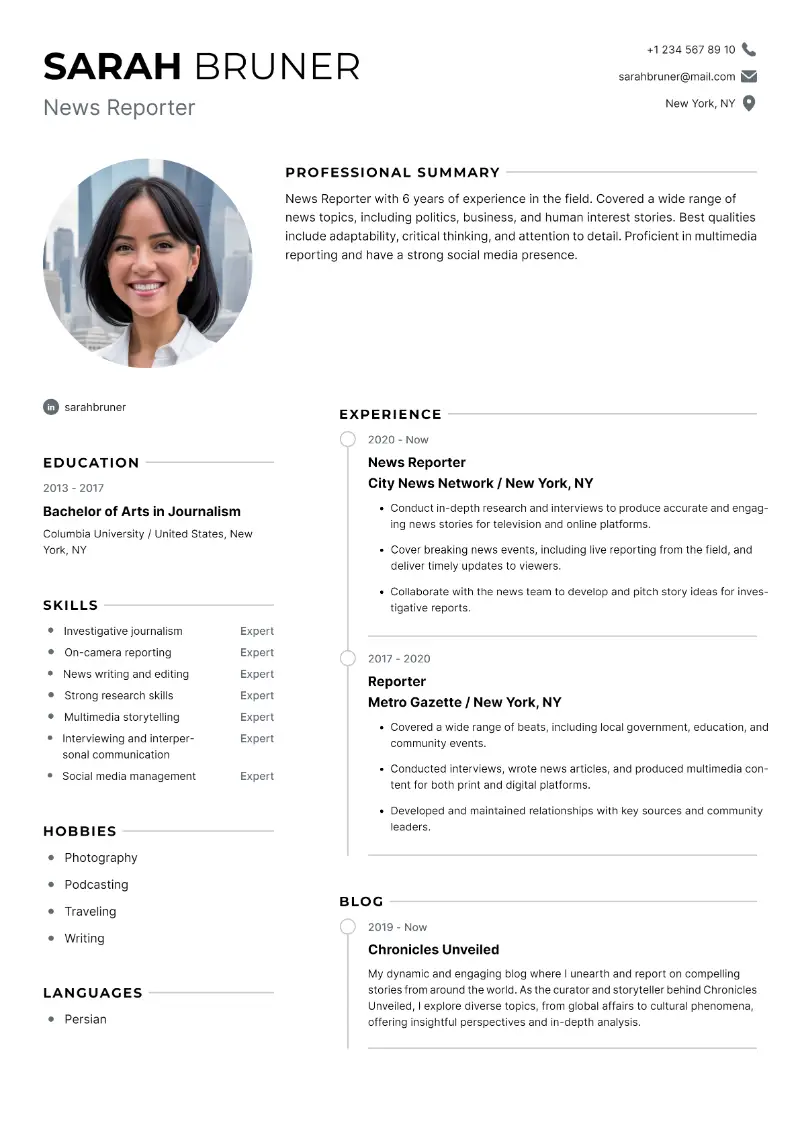
A reporter learning financial analysis gains valuable competence for business journalism.
6. Managing Projects Across Various Sectors
While project skills are transferable, mastering industry-specific frameworks enhances effectiveness.
- Transitioning from construction to software development with Agile methodologies
- Planning and reporting for nonprofit grant projects
- Overseeing clinical trials with healthcare compliance knowledge
- Organizing events in hospitality and tourism
- Employing portfolio management tools in corporate settings
- Implementing risk controls in financial projects
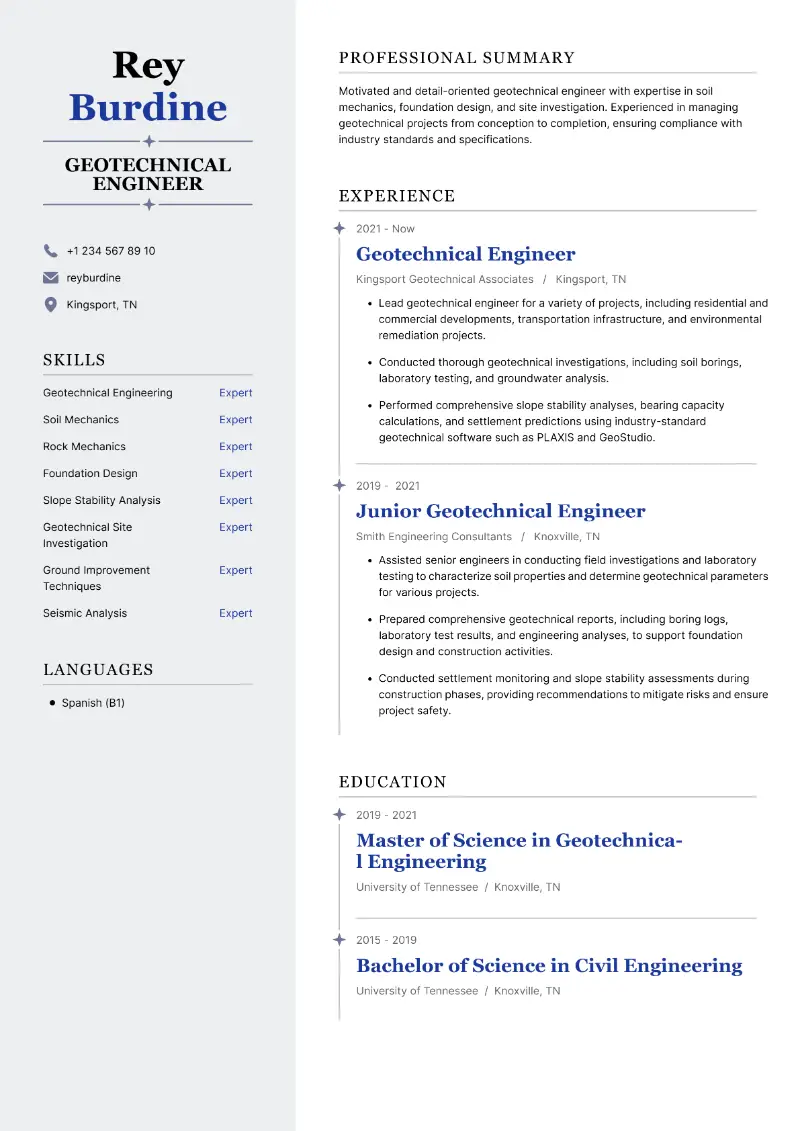
An engineer adopting Agile approaches successfully leads software development teams.
7. Learning Languages for New Markets
Language proficiency tailored to new regions or clientele is critical when shifting into global or culturally distinct sectors.
- Acquiring Mandarin for manufacturing and trade roles
- Studying German for automotive or engineering industries
- Mastering French for international development and diplomacy
- Learning Arabic for energy sector positions in the Middle East
- Improving English fluency for global business opportunities
- Using immersive apps focused on professional vocabulary
A front desk worker learning French becomes a key asset in luxury hospitality serving European guests.
8. Fostering Innovative Approaches
Creative problem-solving skills are valuable when entering new fields, especially dynamic or entrepreneurial ones.
- Applying design thinking to healthcare product development
- Utilizing lean startup principles for business ventures
- Facilitating ideation sessions in education reform
- Employing storytelling techniques in corporate communications
- Participating in interdisciplinary innovation workshops
- Enhancing user experience (UX) design for digital platforms
A teacher trained in design thinking drives curriculum improvements in an edtech company.
Best practices for effective upskilling and reskilling
List of best practices for reskilling and upskilling programs:
- Assess current skills and identify gaps
- Set clear, realistic goals
- Choose relevant learning resources
- Prioritize hands-on experience
- Use digital tools and platforms
- Seek feedback and mentorship
- Schedule consistent learning time
- Continuously update skills
- Track achievements and progress
- Foster a growth mindset
Conclusion
Examples of upskilling and reskilling demonstrate the power of continuous learning in an ever-evolving job market.
By actively developing more abilities or pivoting to new roles, individuals can improve their career prospects, adapt to industry changes, and stay competitive.
Whether through digital courses, certifications, or hands-on training, the opportunities for growth are plentiful. Taking the first step toward reskilling vs upskilling today is an investment in your future success.
Create your professional Resume in 10 minutes for FREE
Build My Resume